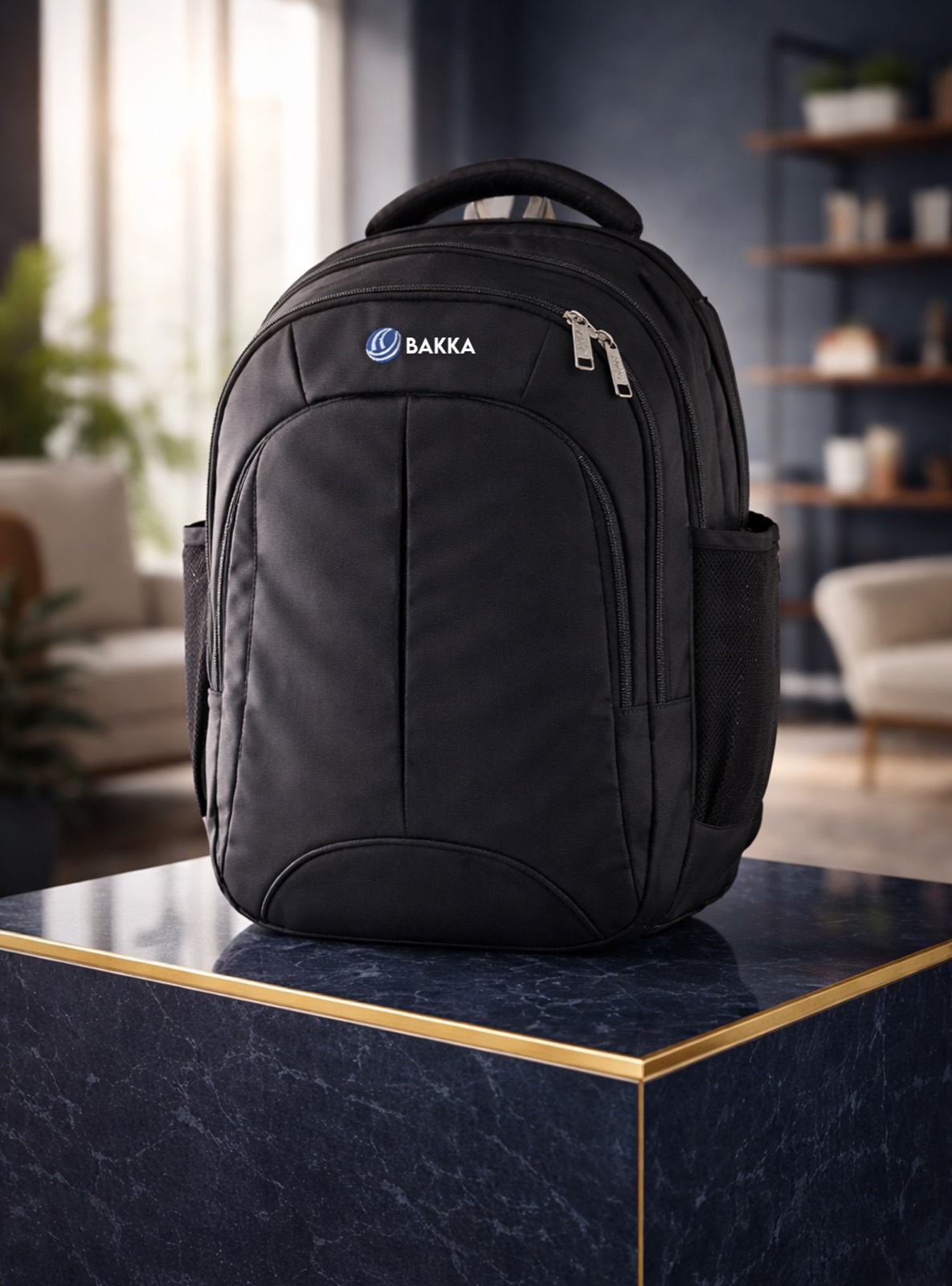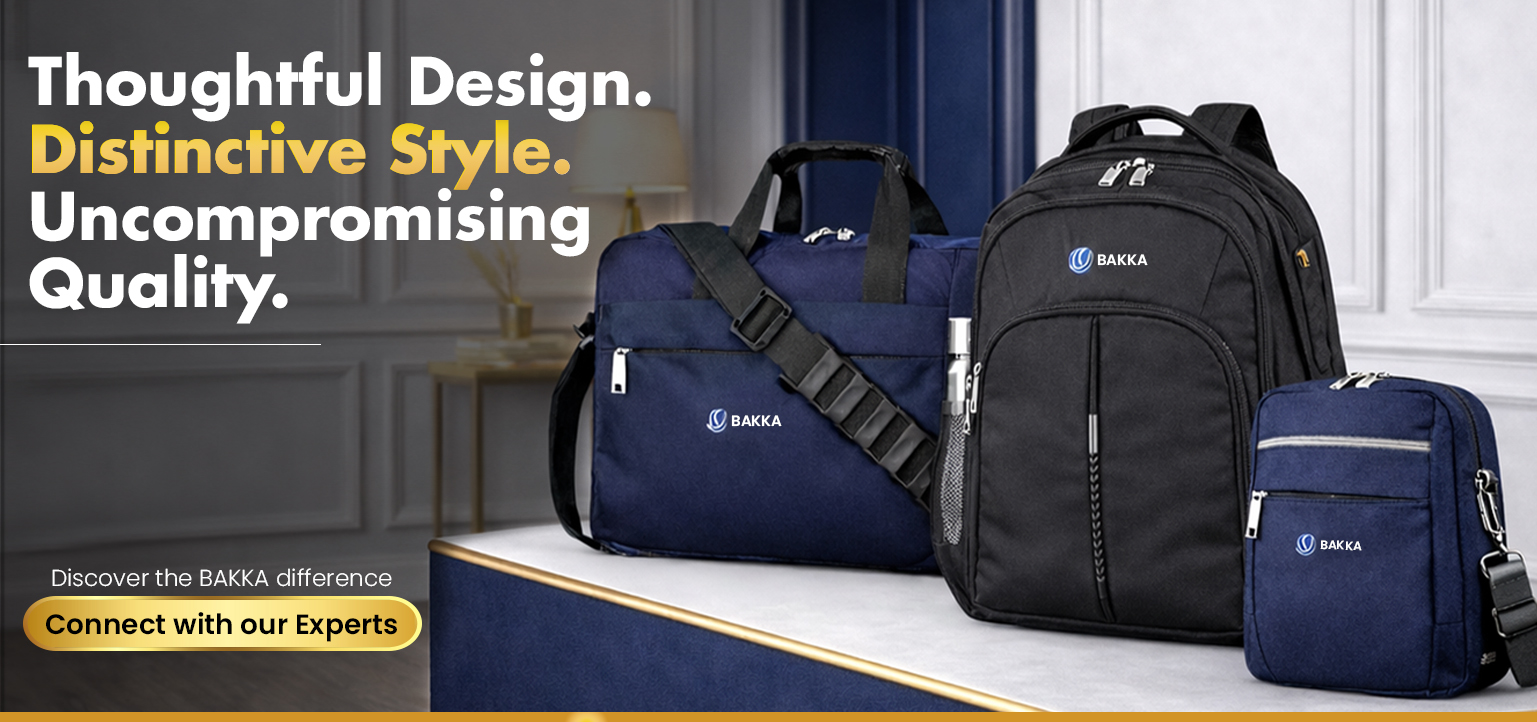
Types of Sample Collection Bags
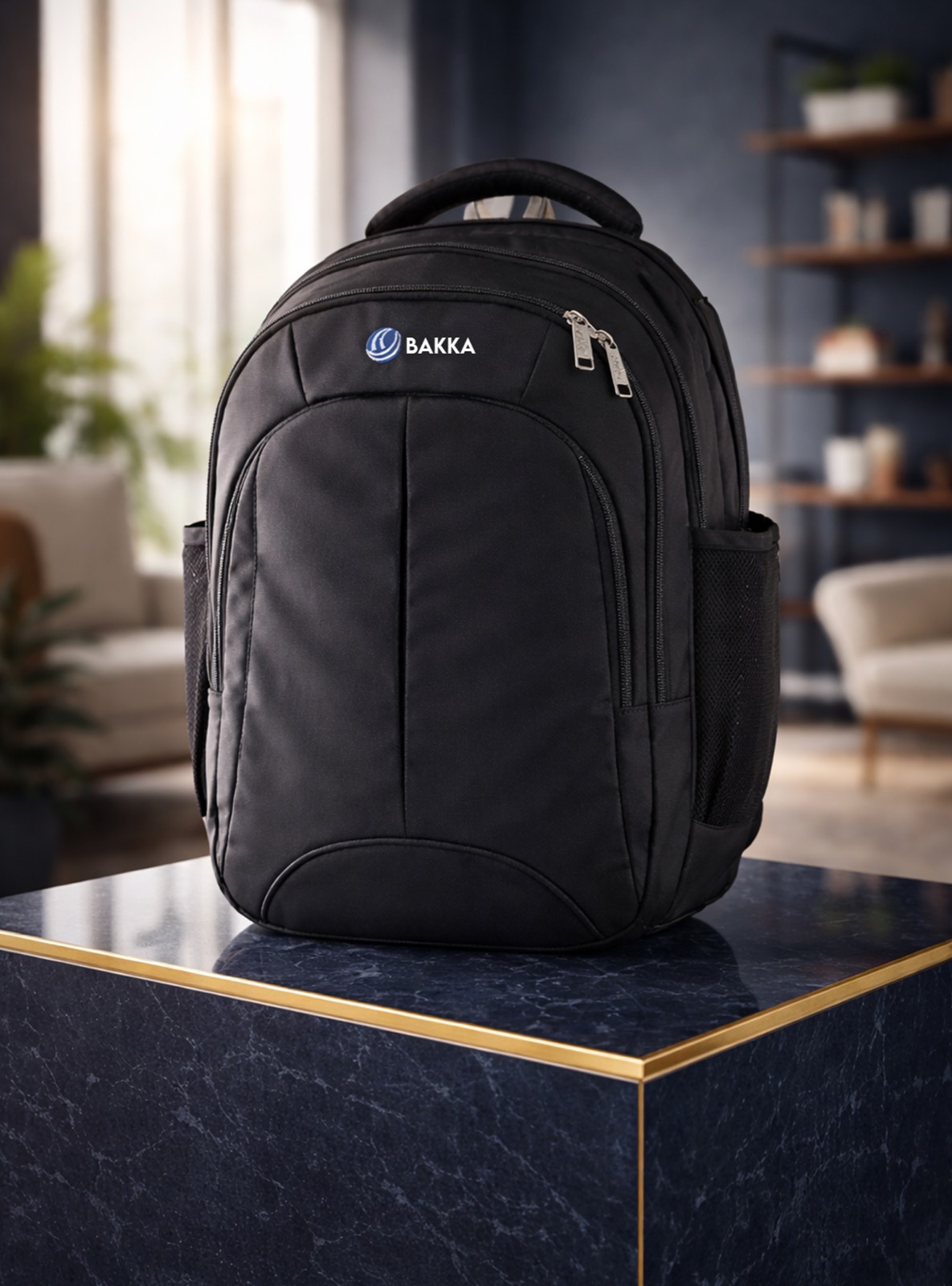
Home Collection Phlebotomy Bag
Shoulder or hand-carry bag holding consumables, a vacutainer rack, and an insulated specimen return section. The core home-collection SKU.
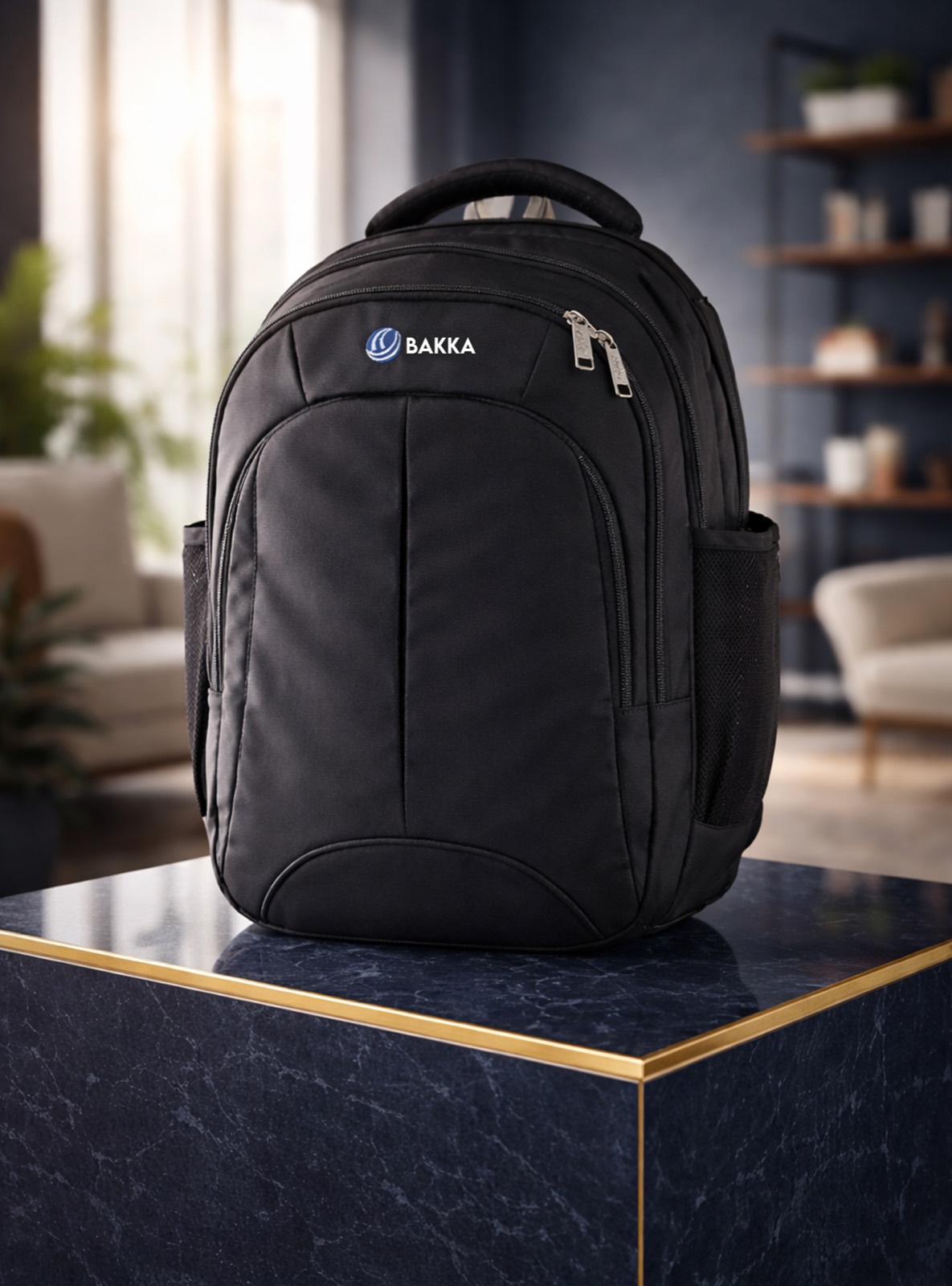
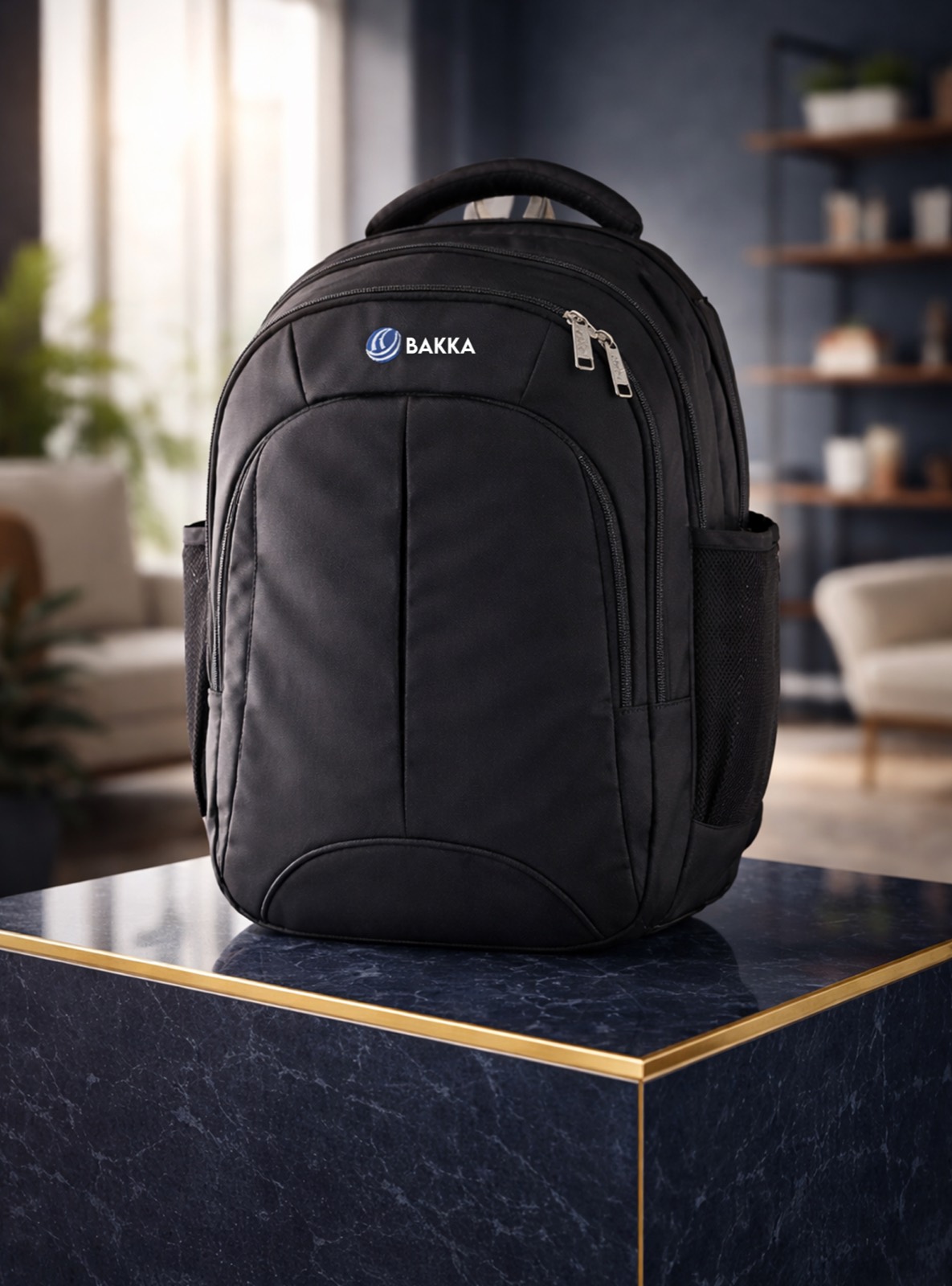
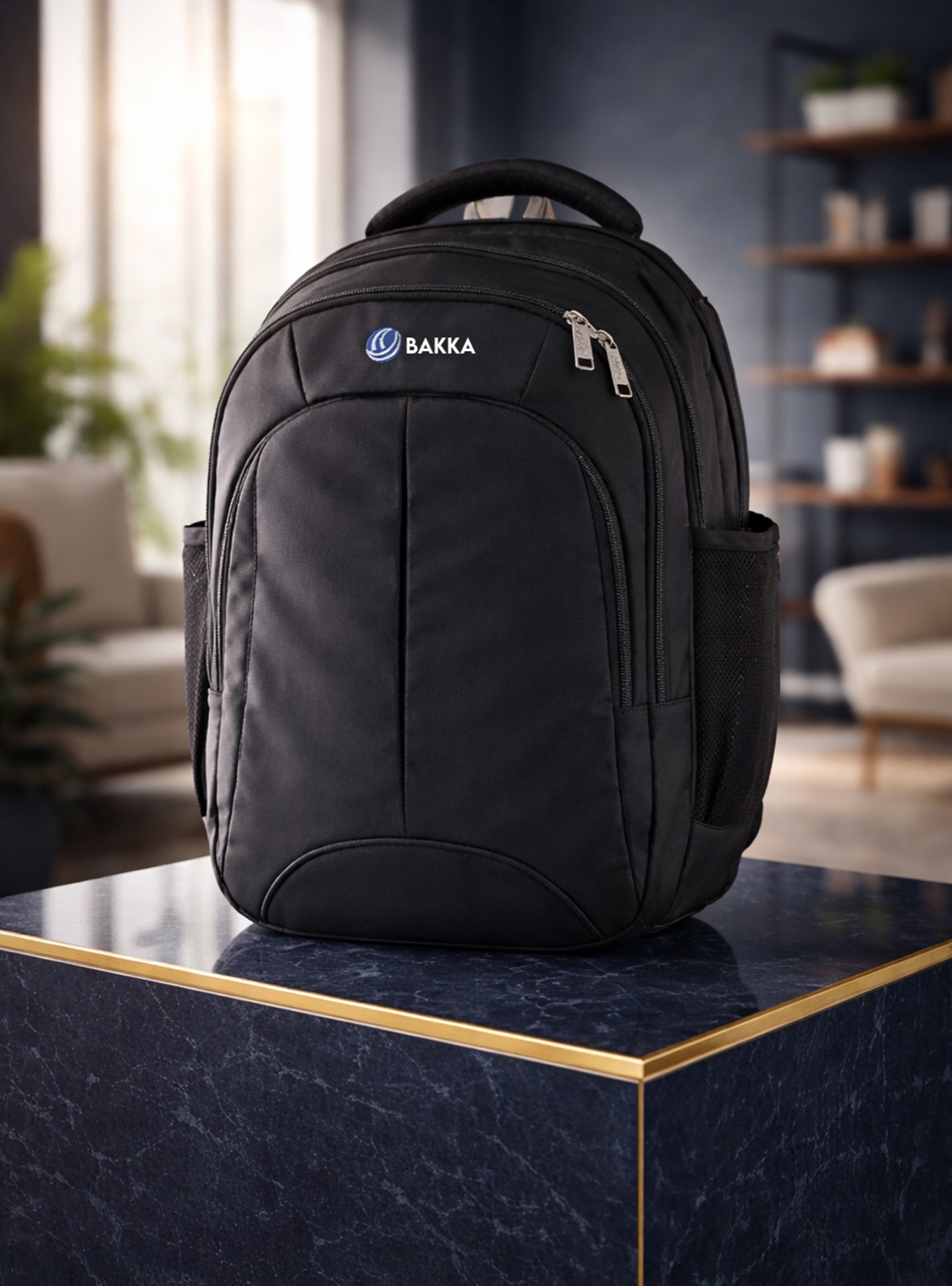
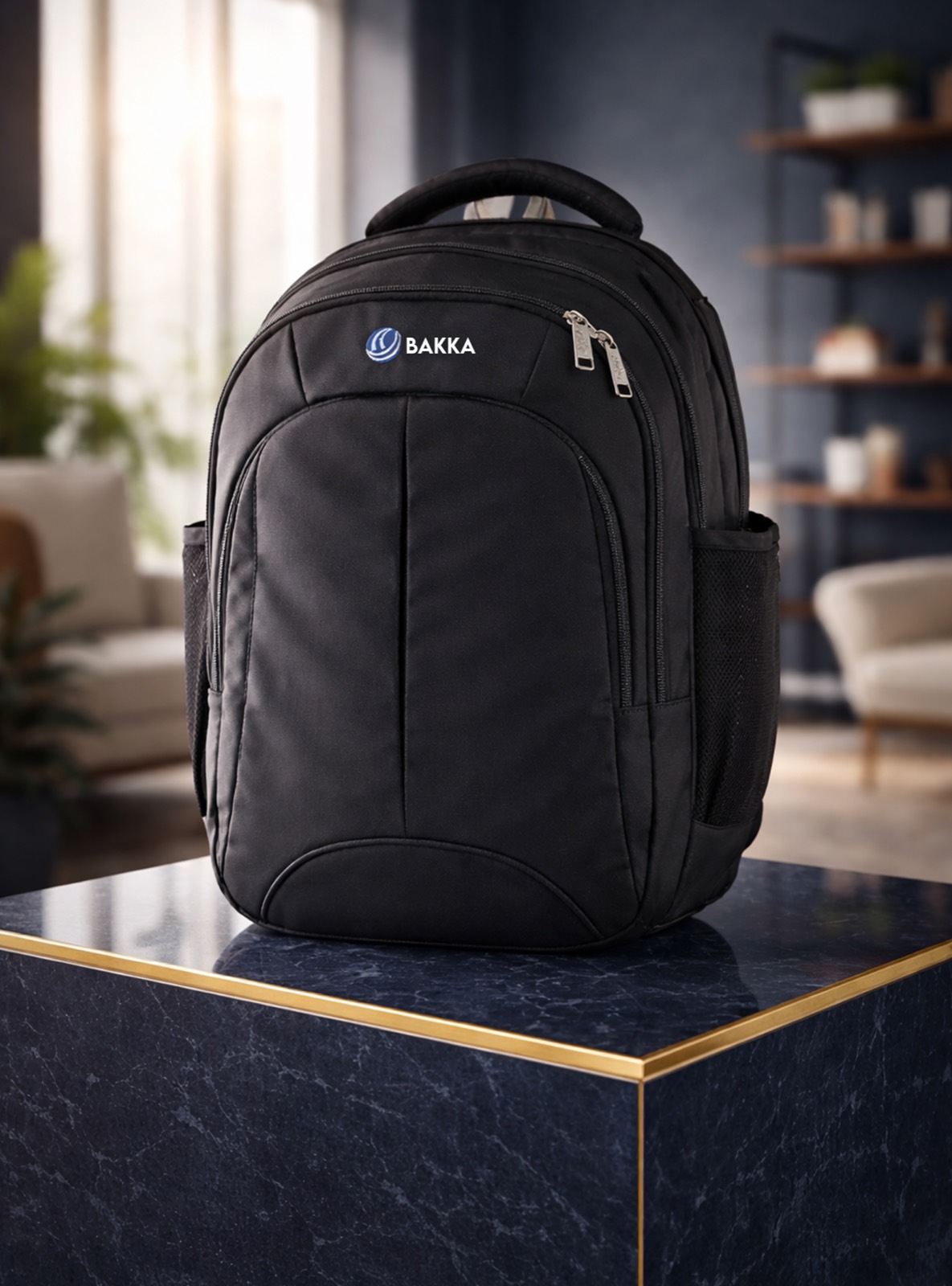
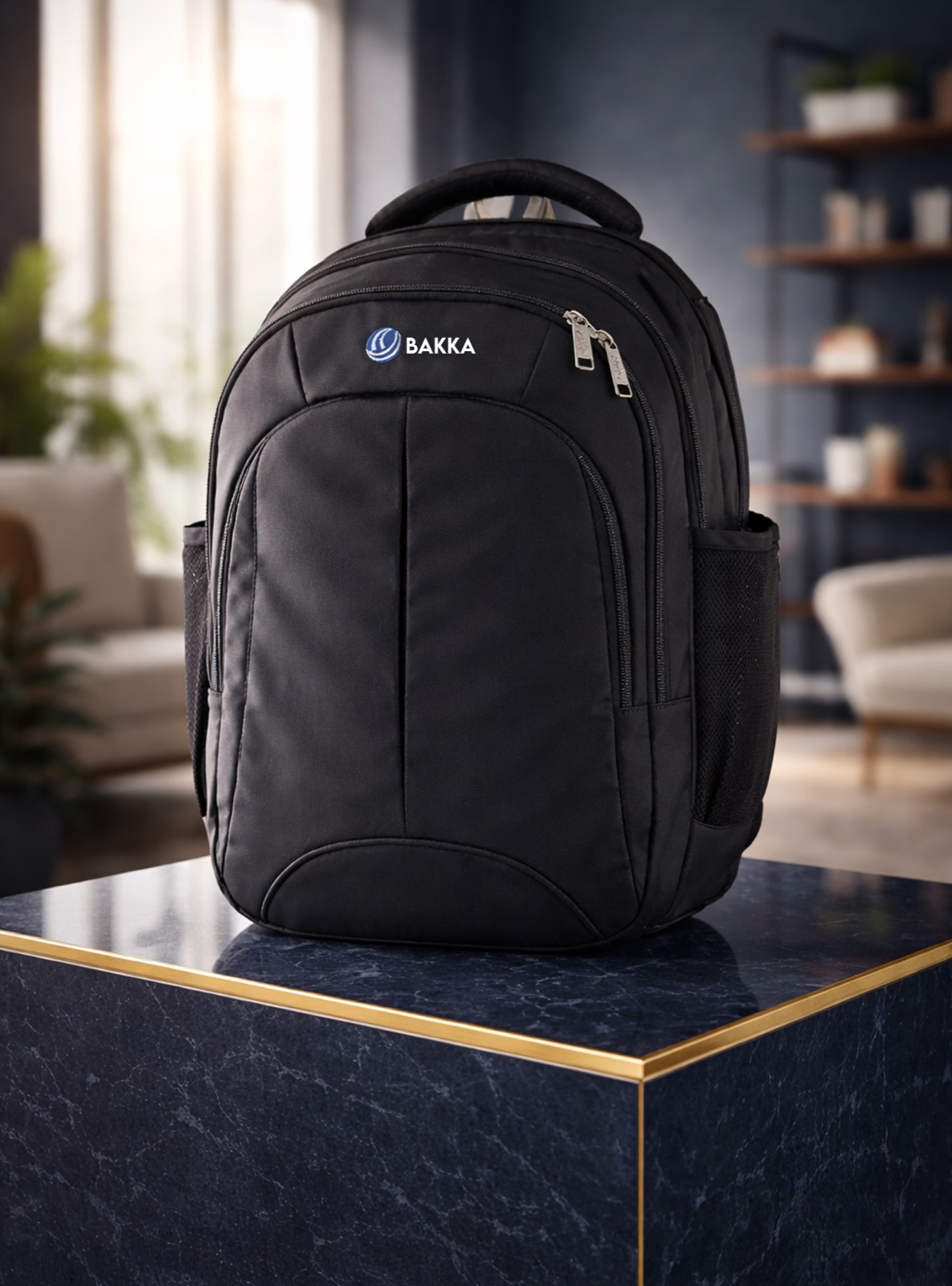
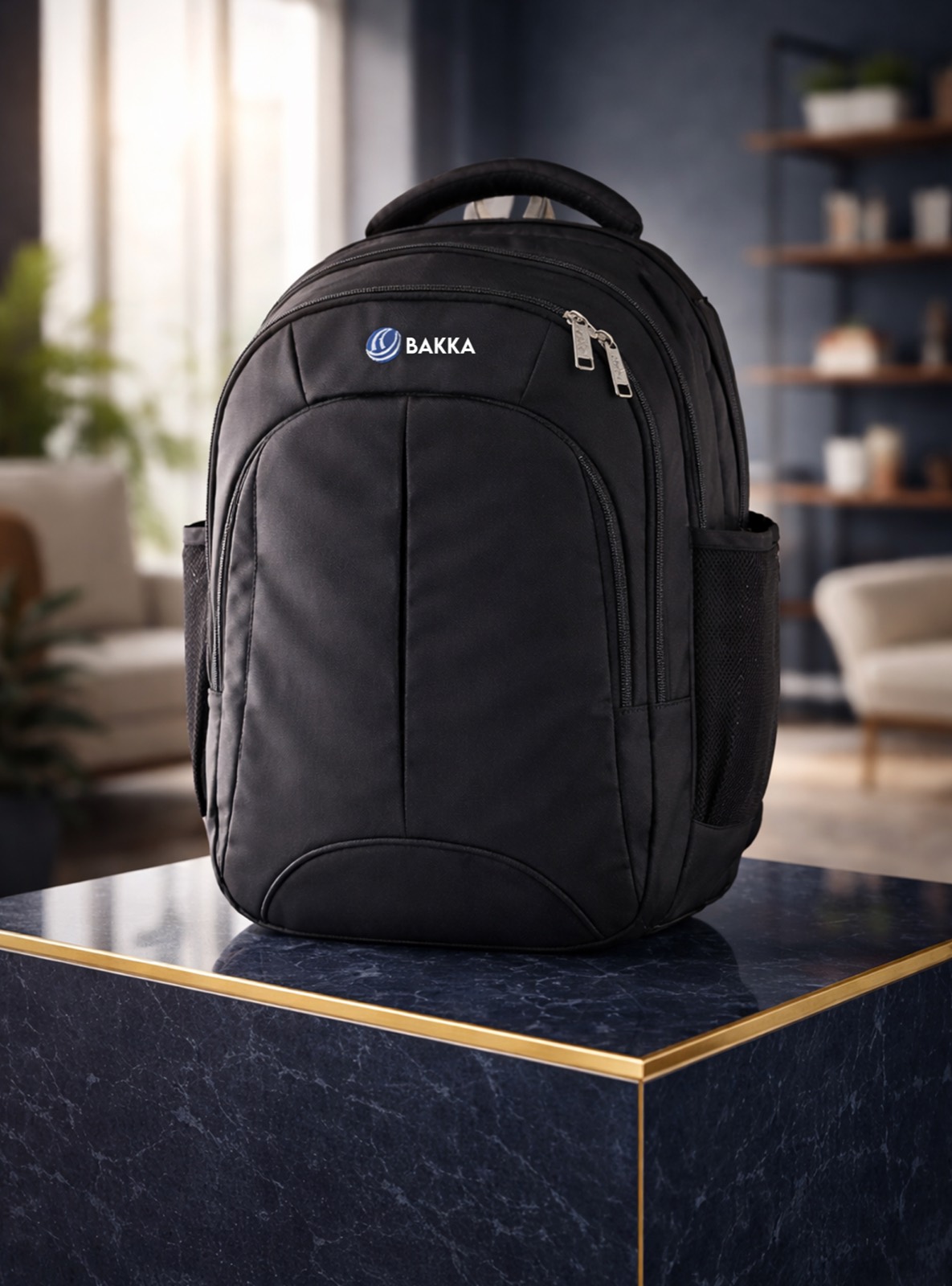
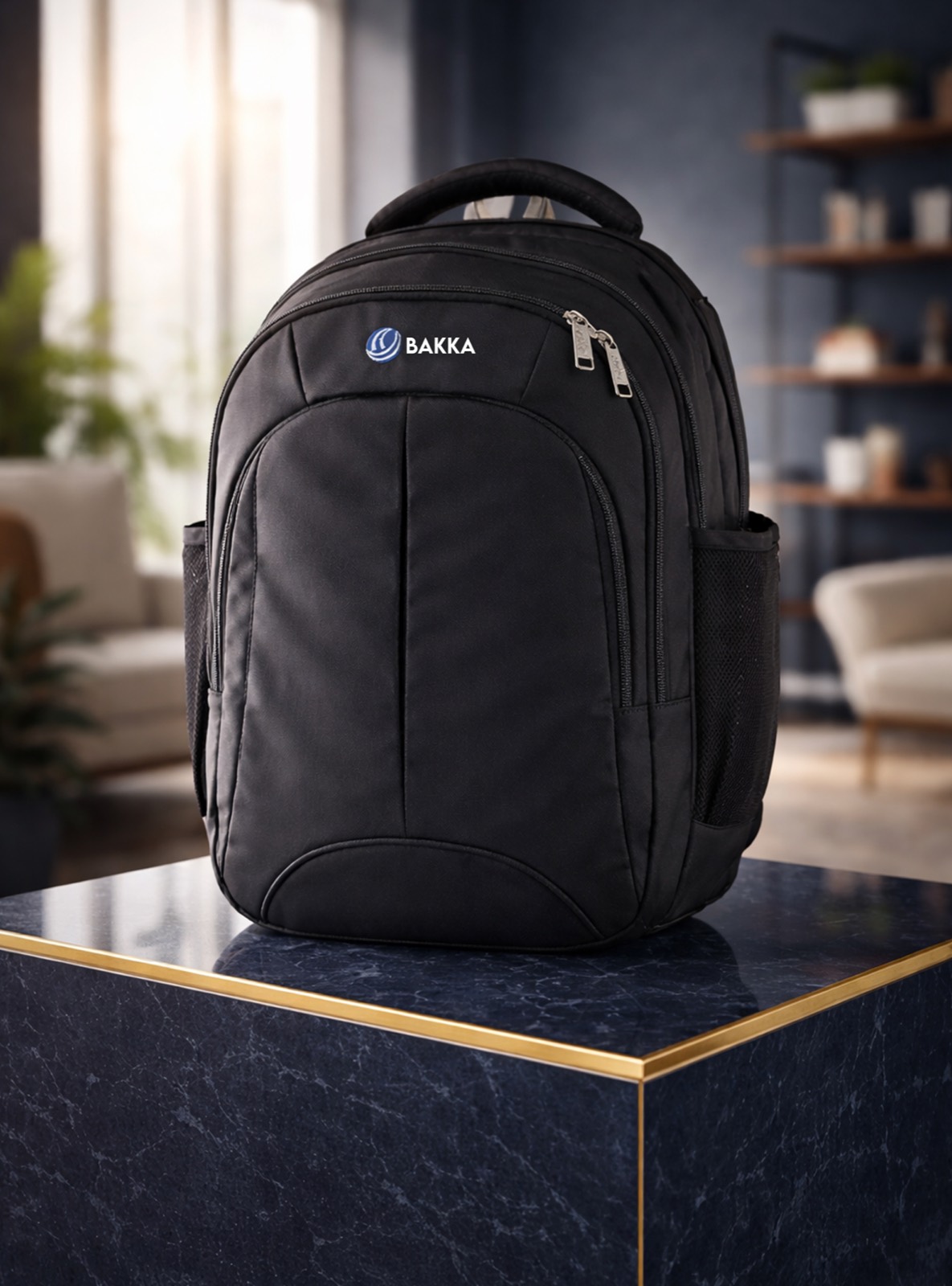
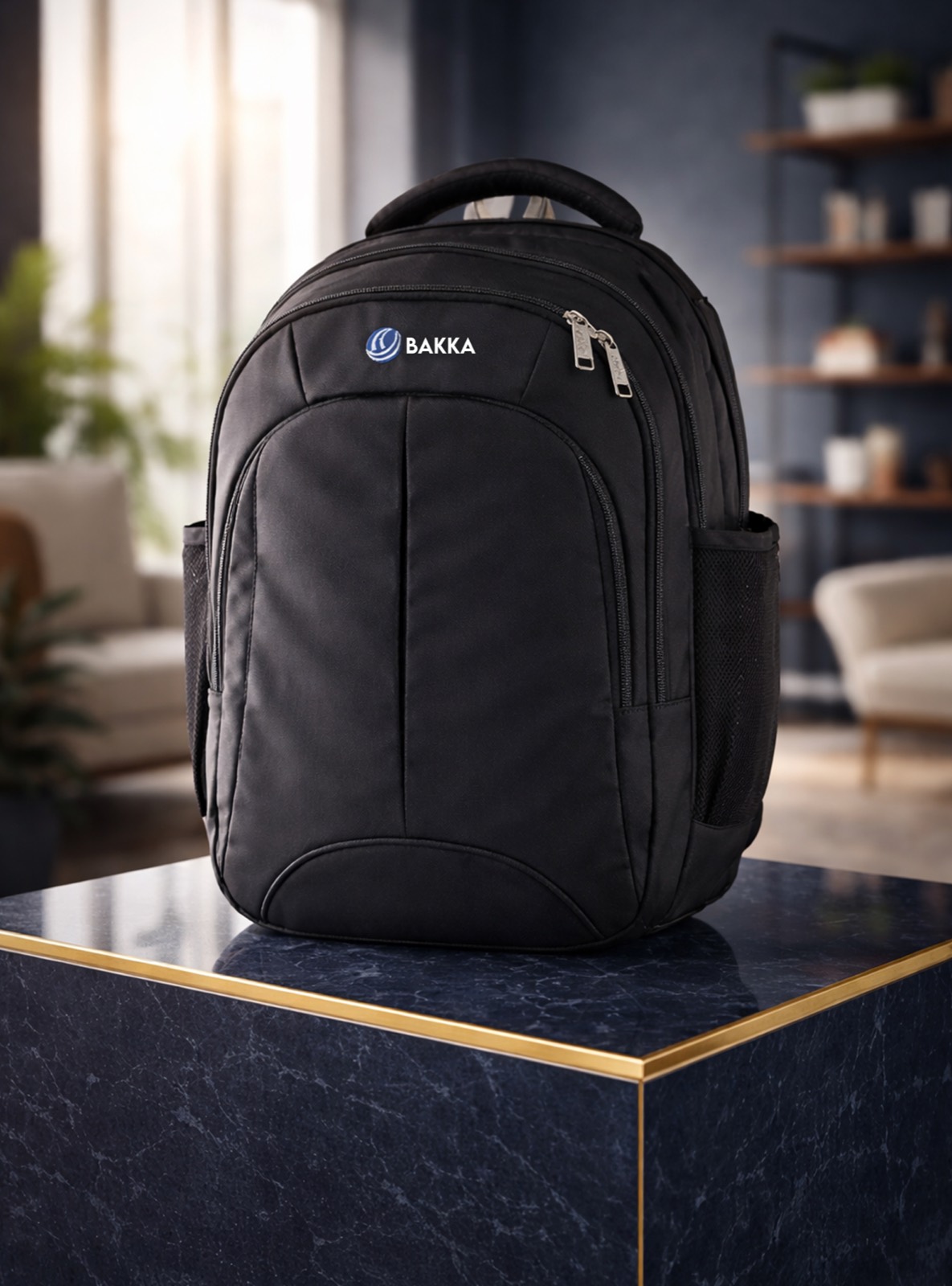
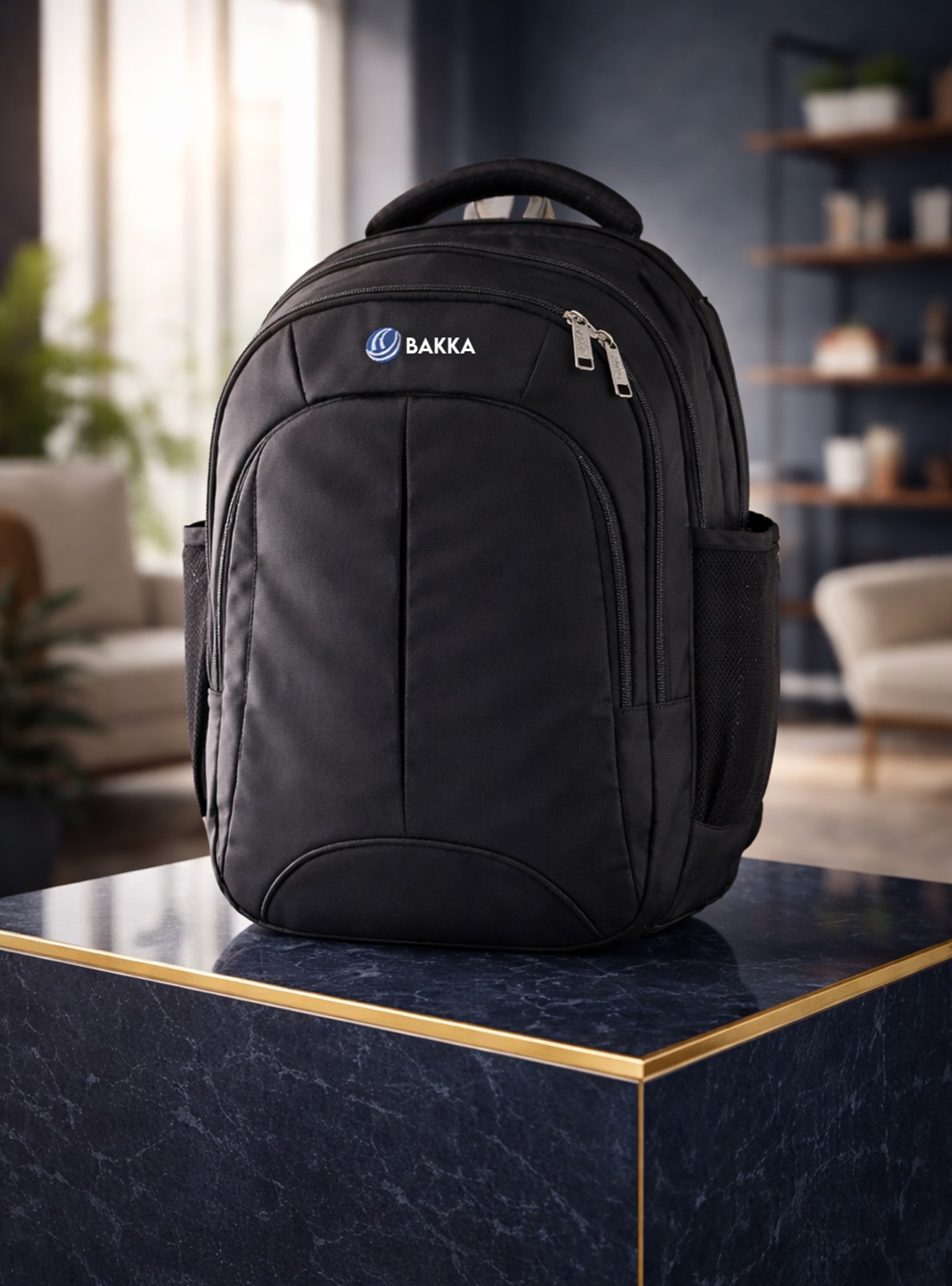
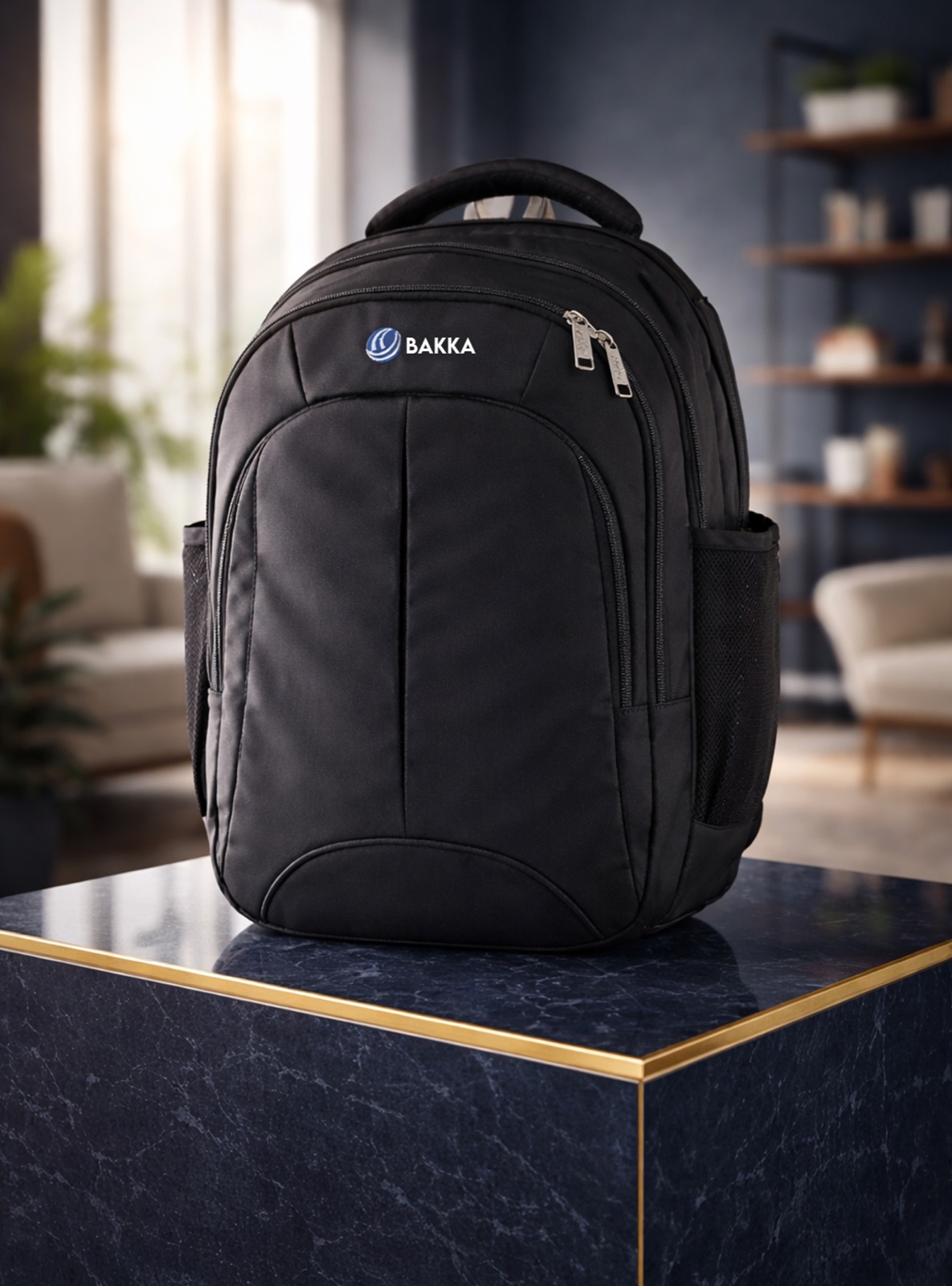
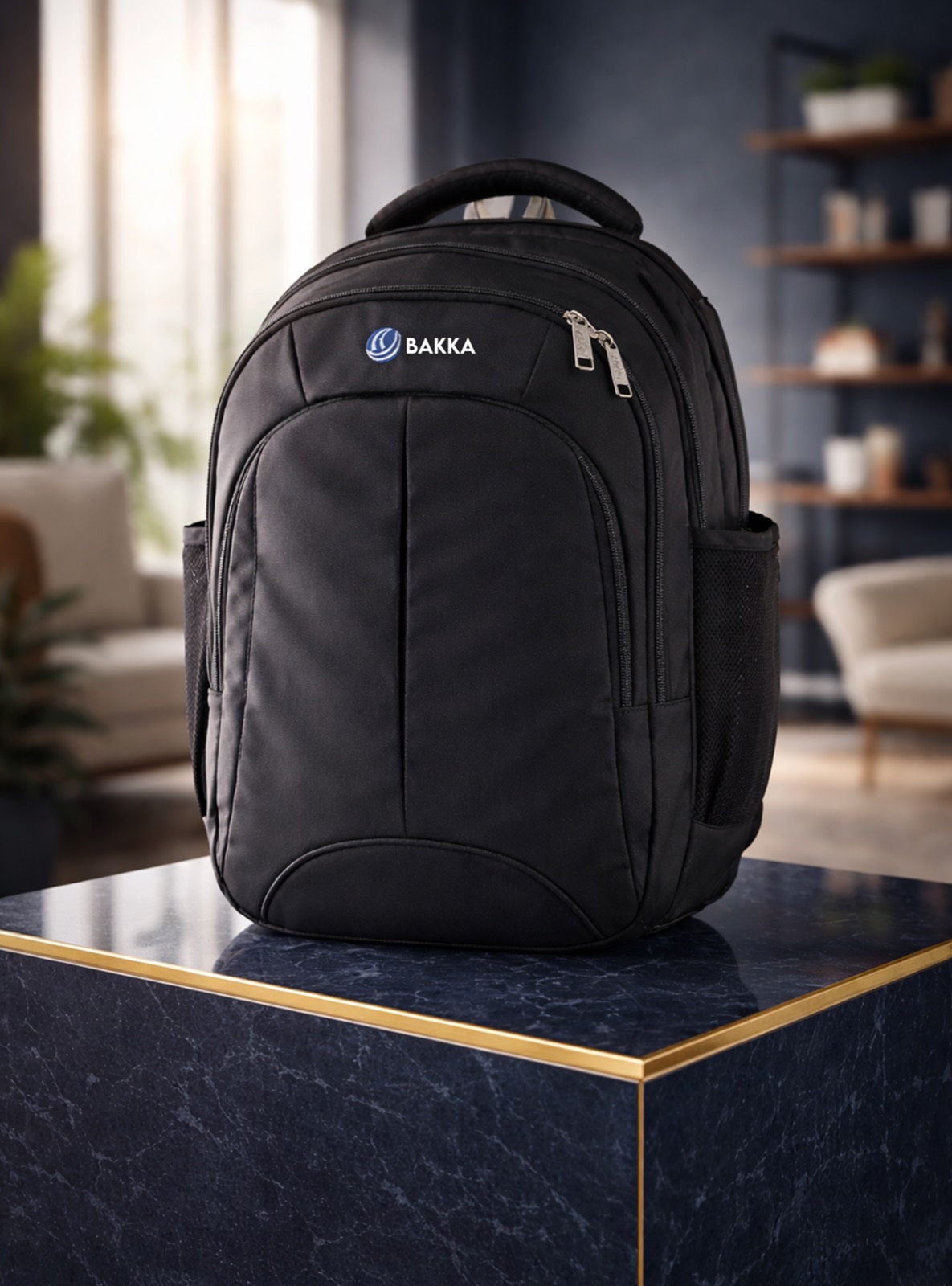
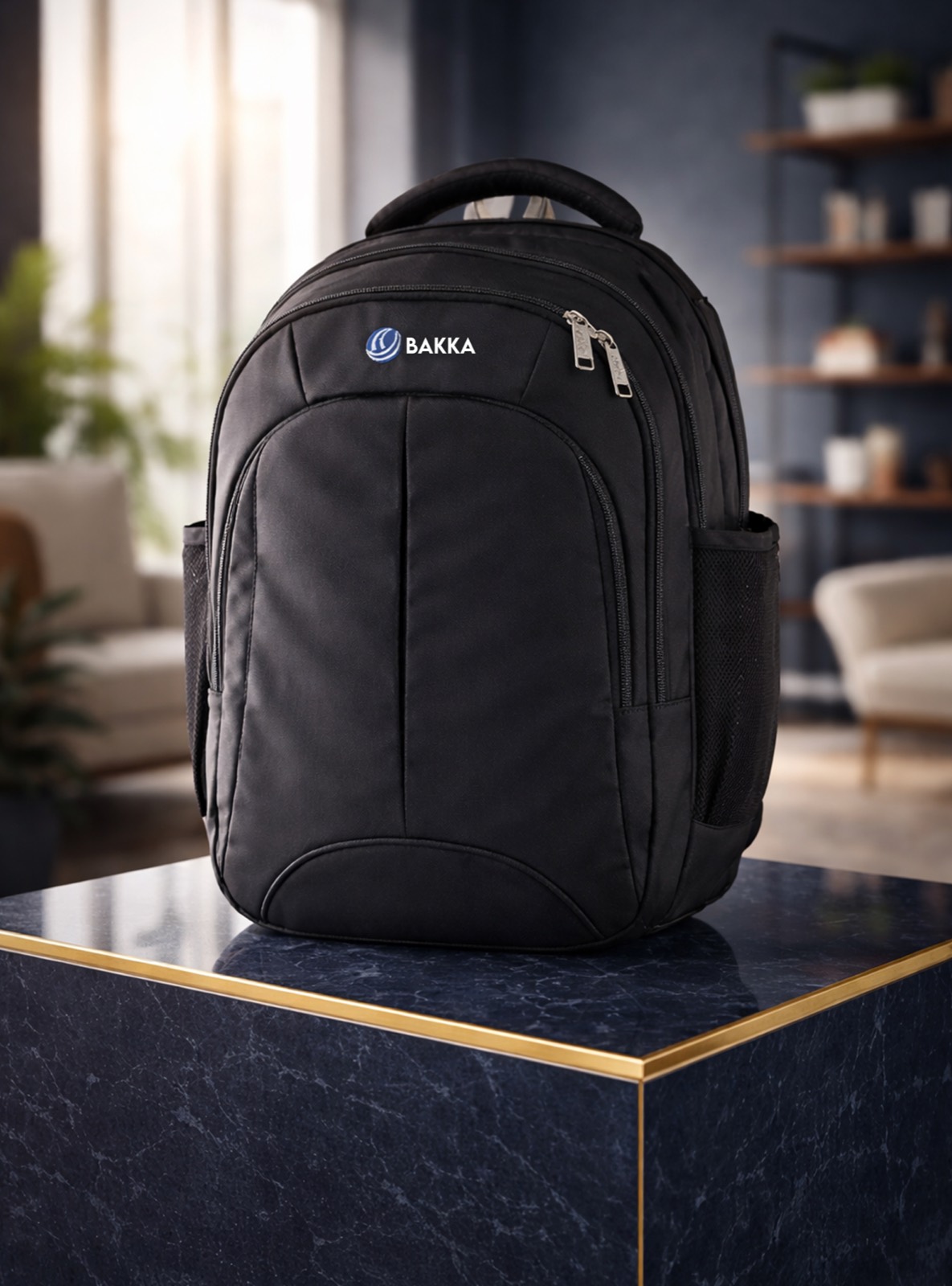
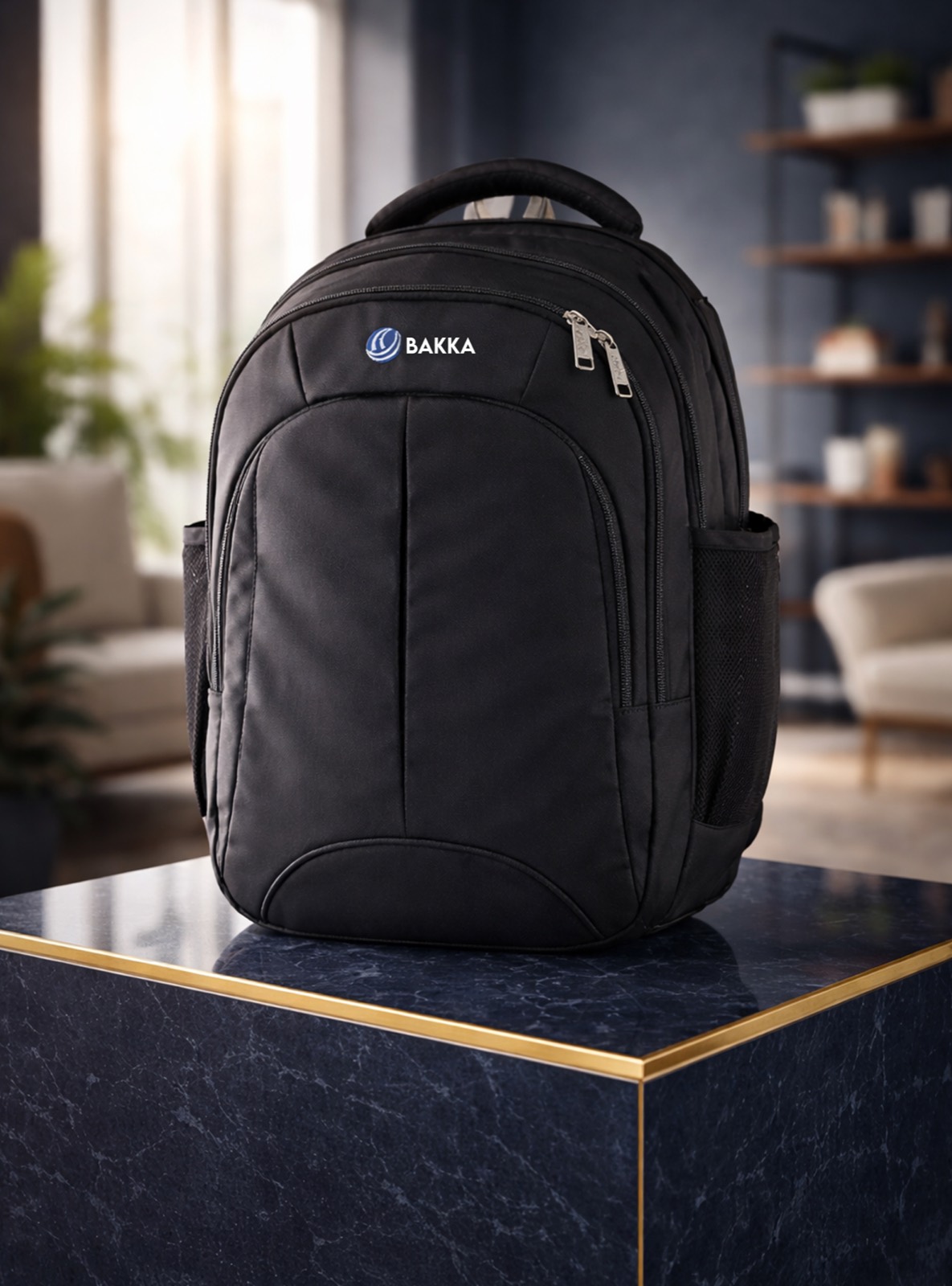
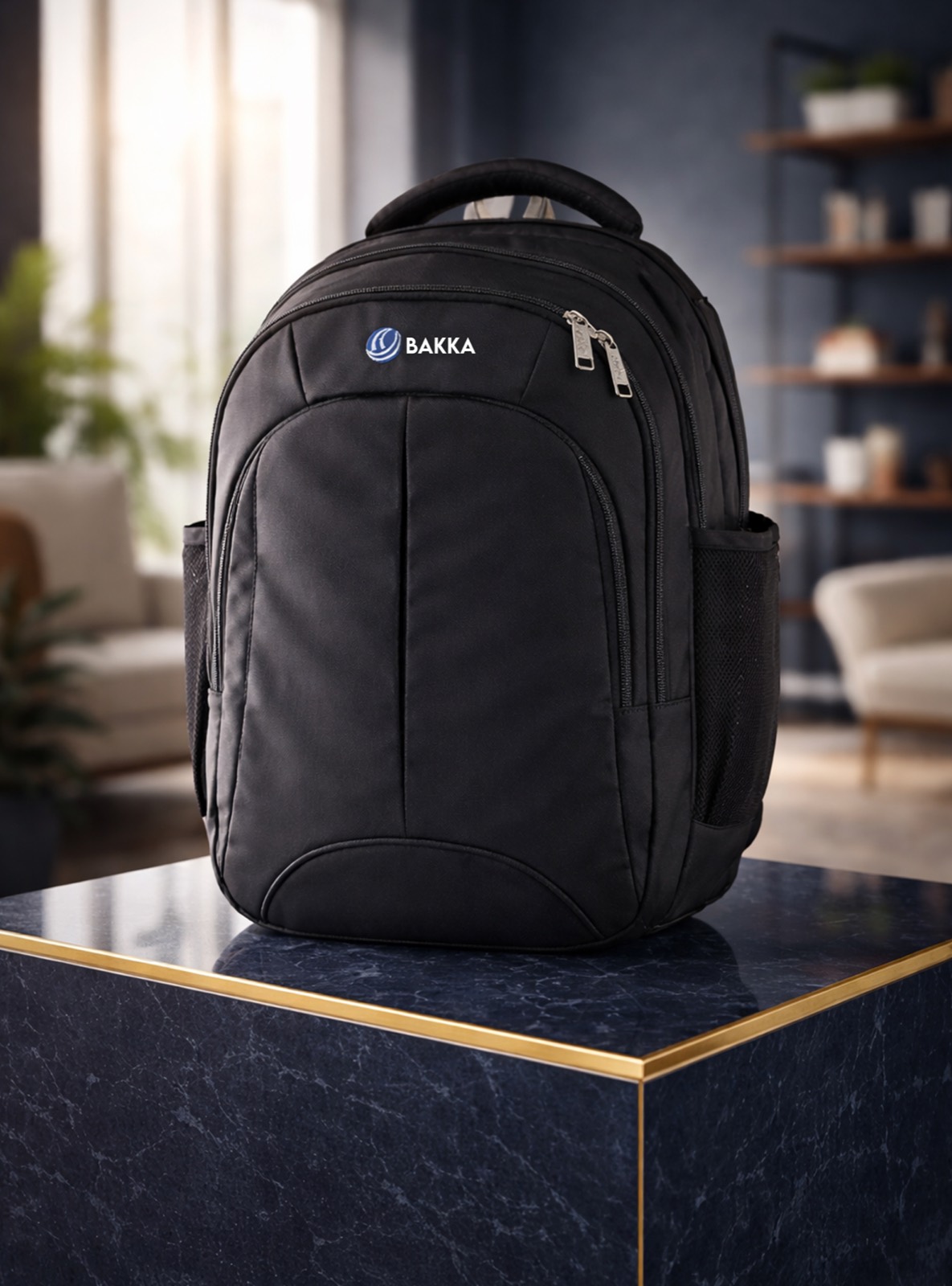
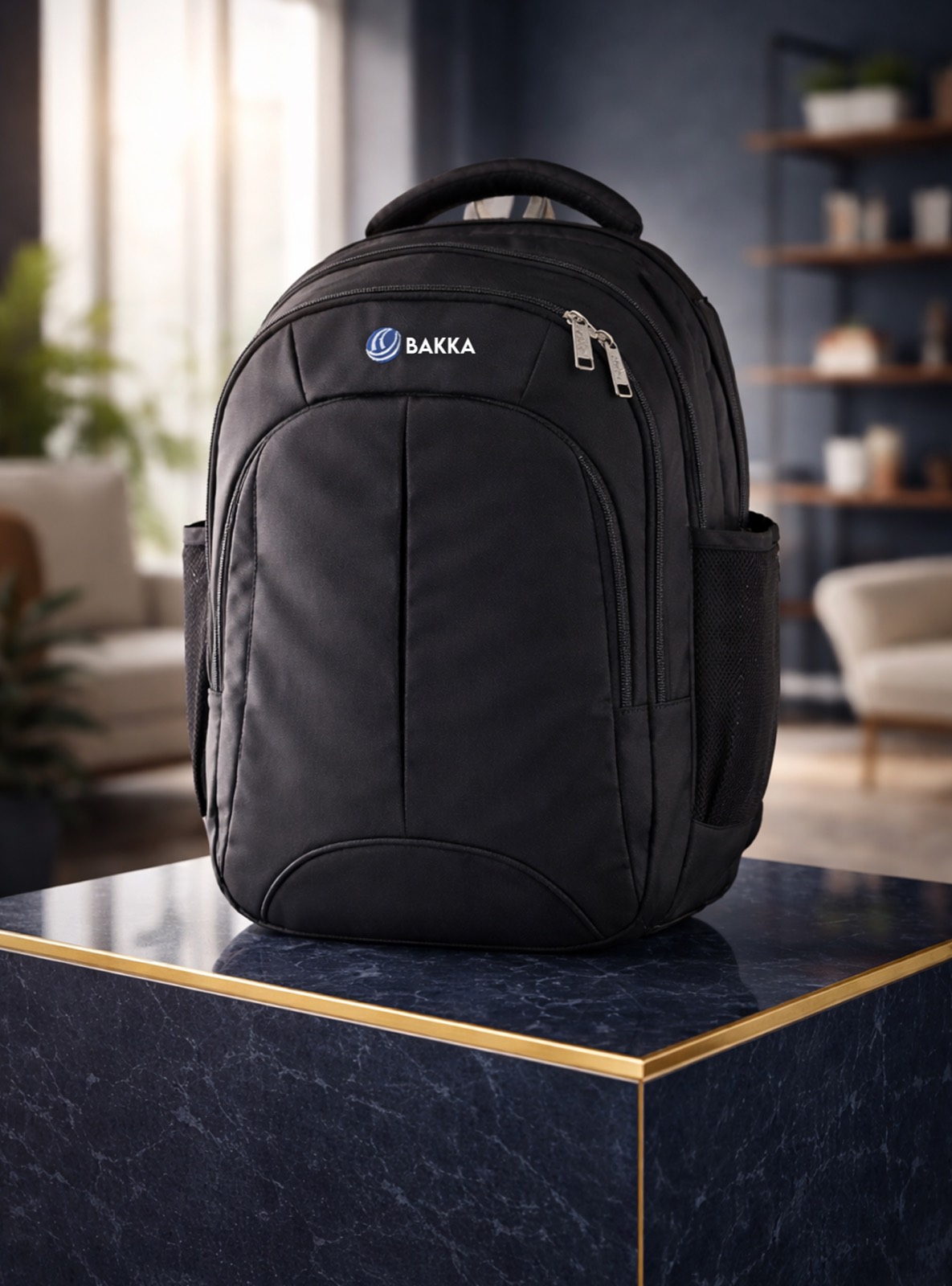
Phlebotomy Backpack
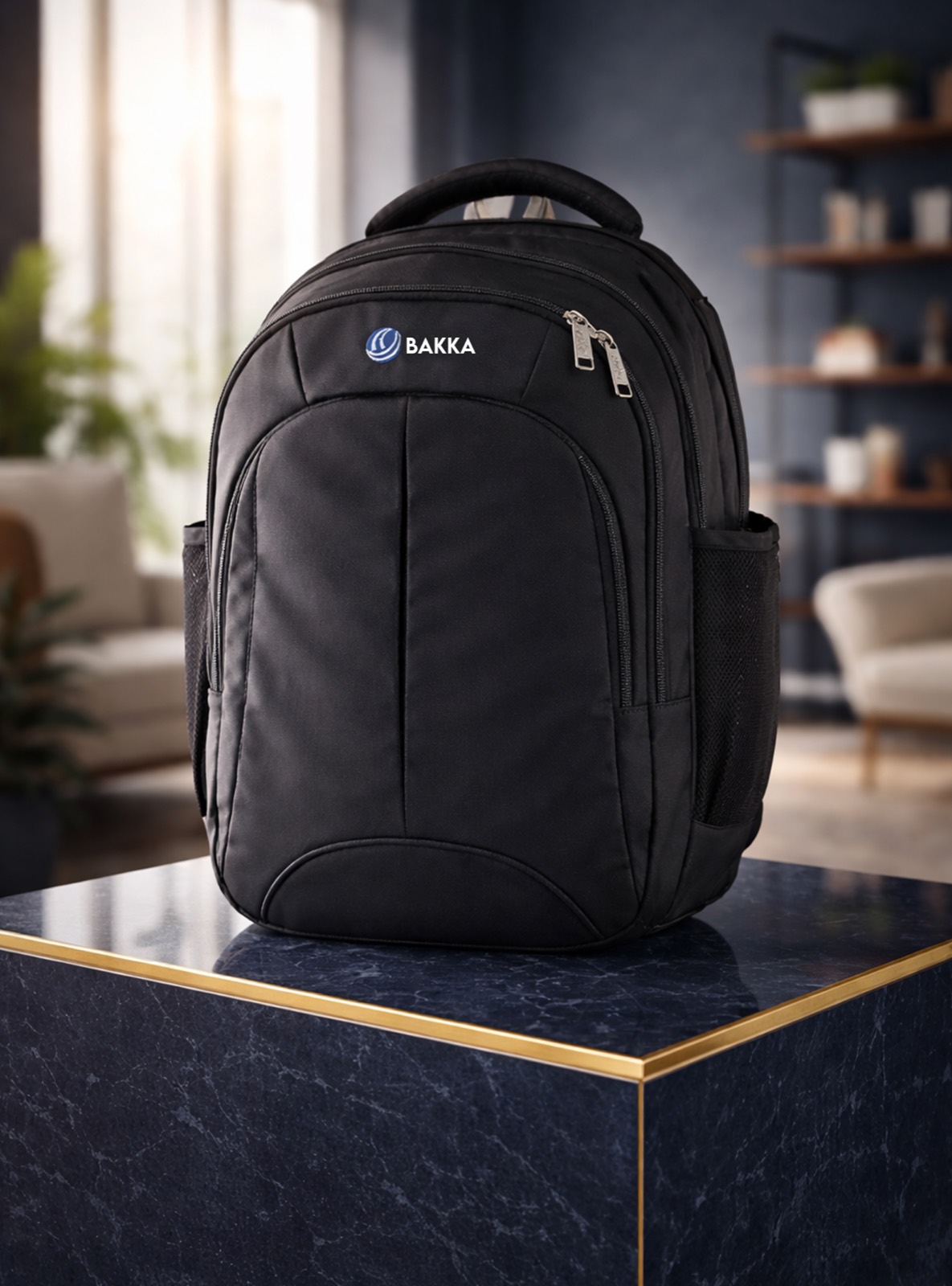
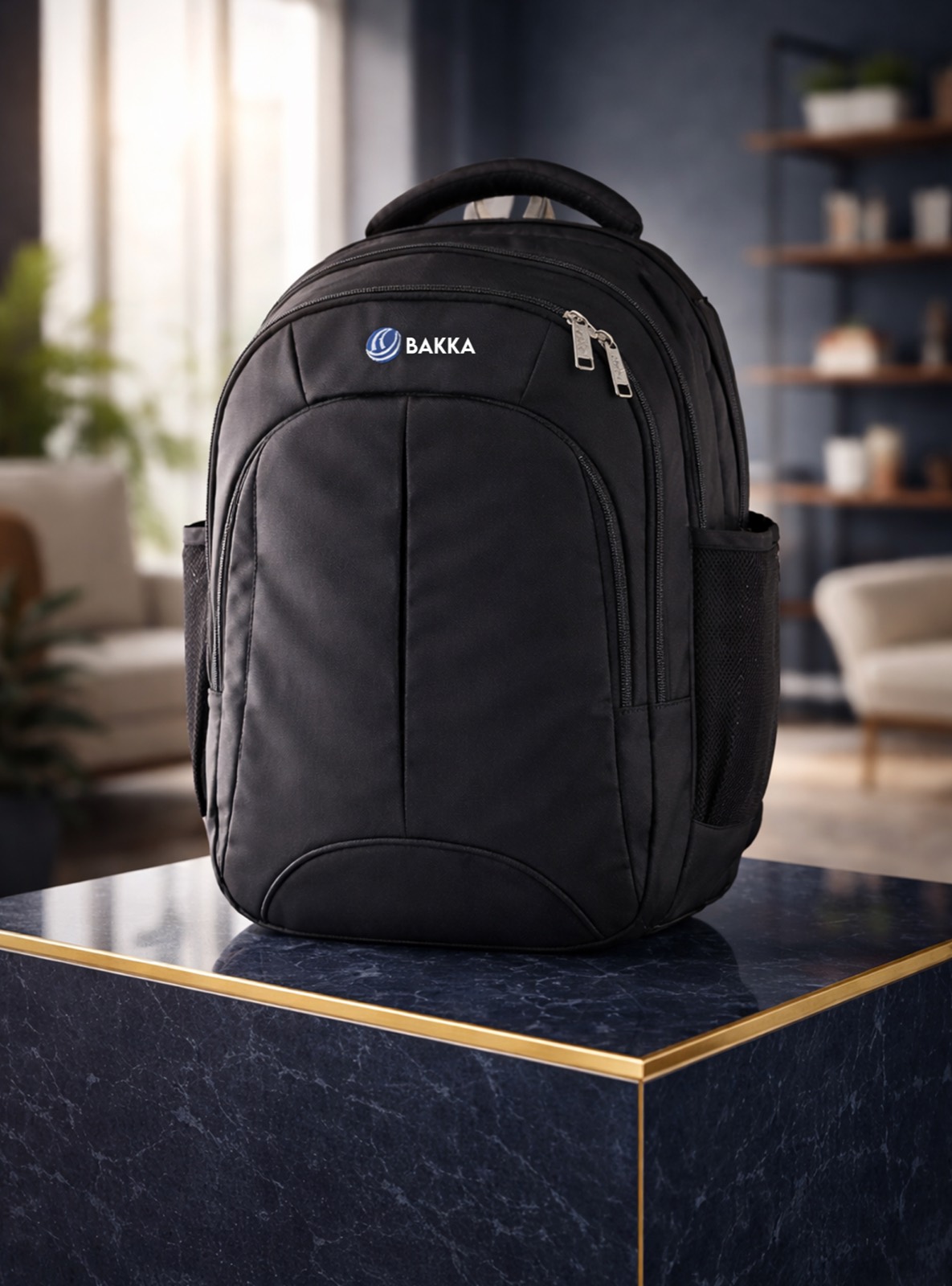
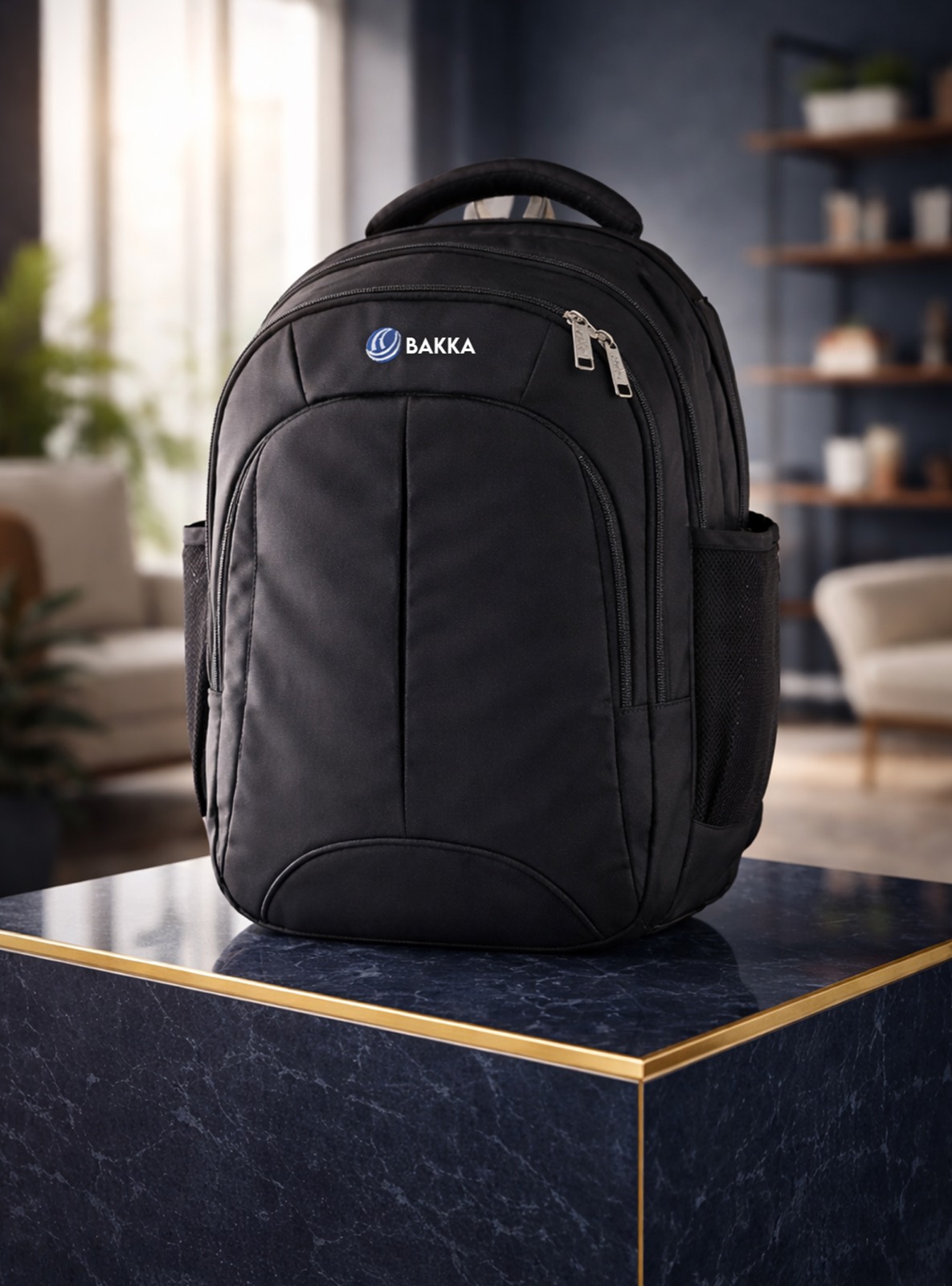
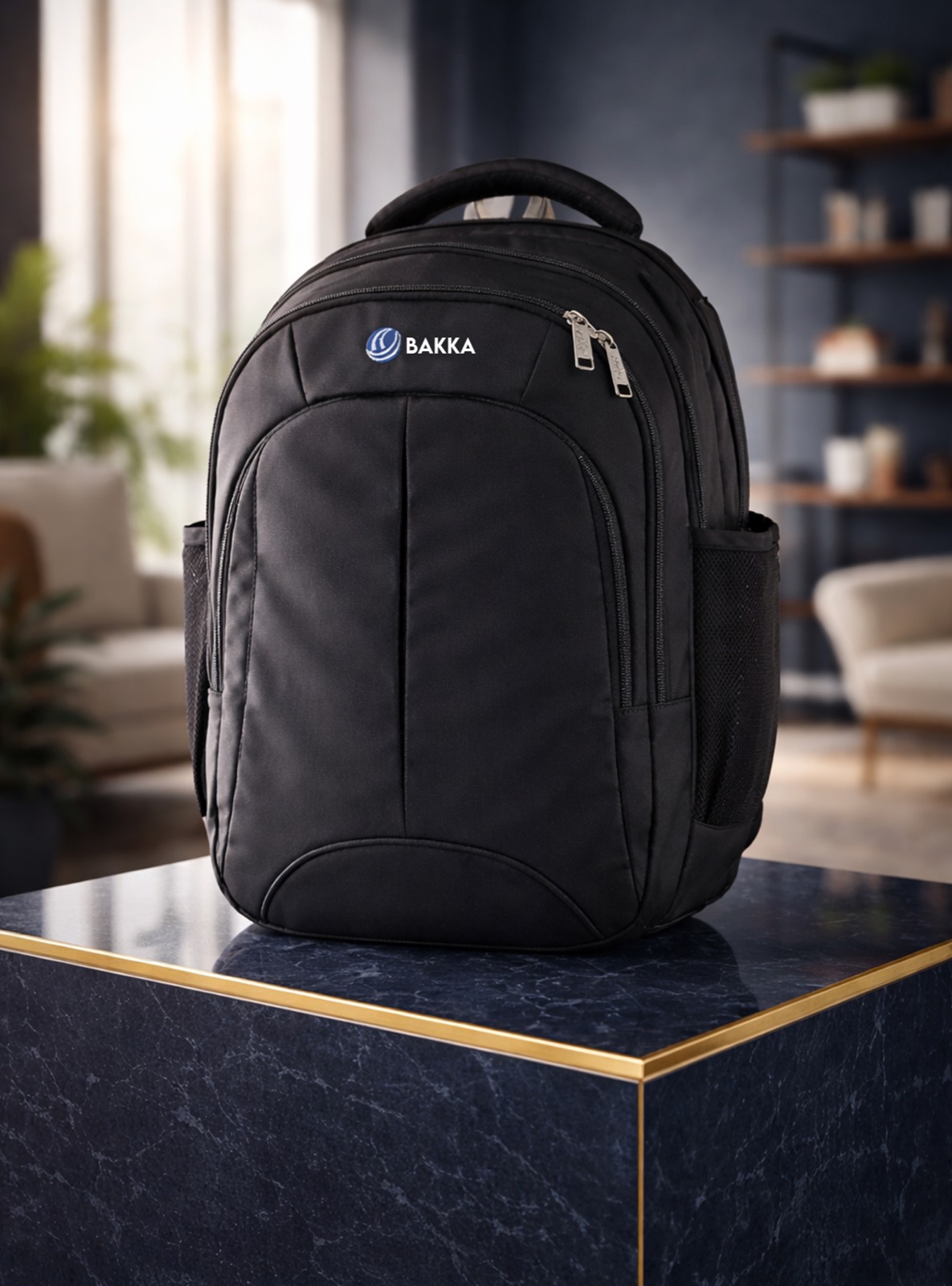
Back-carry version for high-volume collection rounds and staircase-heavy urban routes, with a padded harness.
Vacutainer & Tube Rack Bag
Structured bag built around a fixed upright tube rack, so specimens never travel horizontally.
Insulated Specimen Transport Bag
Thermally insulated bag with a gel-pack section, built to hold specimens within the temperature range your protocol specifies.
Cold-Chain Sample Transport Box Bag
High-insulation carrier for longer inter-facility transport, sized around a rigid cold box or gel-pack array.
Biohazard Specimen Transport Bag
Sealed, leak-containing outer carrier with an internal liner and marking panel, built for regulated specimen movement.
Lab Courier & Inter-Facility Bag
Larger-capacity bag for moving batched specimens between collection centres, labs, and hospitals on a route.
Trolley Sample Collection Bag
Wheeled version for collection staff covering large hospital campuses or high daily volumes.
Vaccine Carrier Bag
Insulated carrier sized around vaccine vials and conditioned ice packs, built to your immunisation programme specification.
Field & Camp Collection Bag
High-capacity durable bag for health camps, corporate screening drives, and rural collection programmes.
Veterinary Sample Collection Bag
Configured for veterinary consumables and specimen types, with a wipe-clean, disinfectant-tolerant interior.
Consumables Restock Bag
Bulk bag for moving stocks of tubes, syringes, swabs, and needles from a lab to collection staff.
Key Features
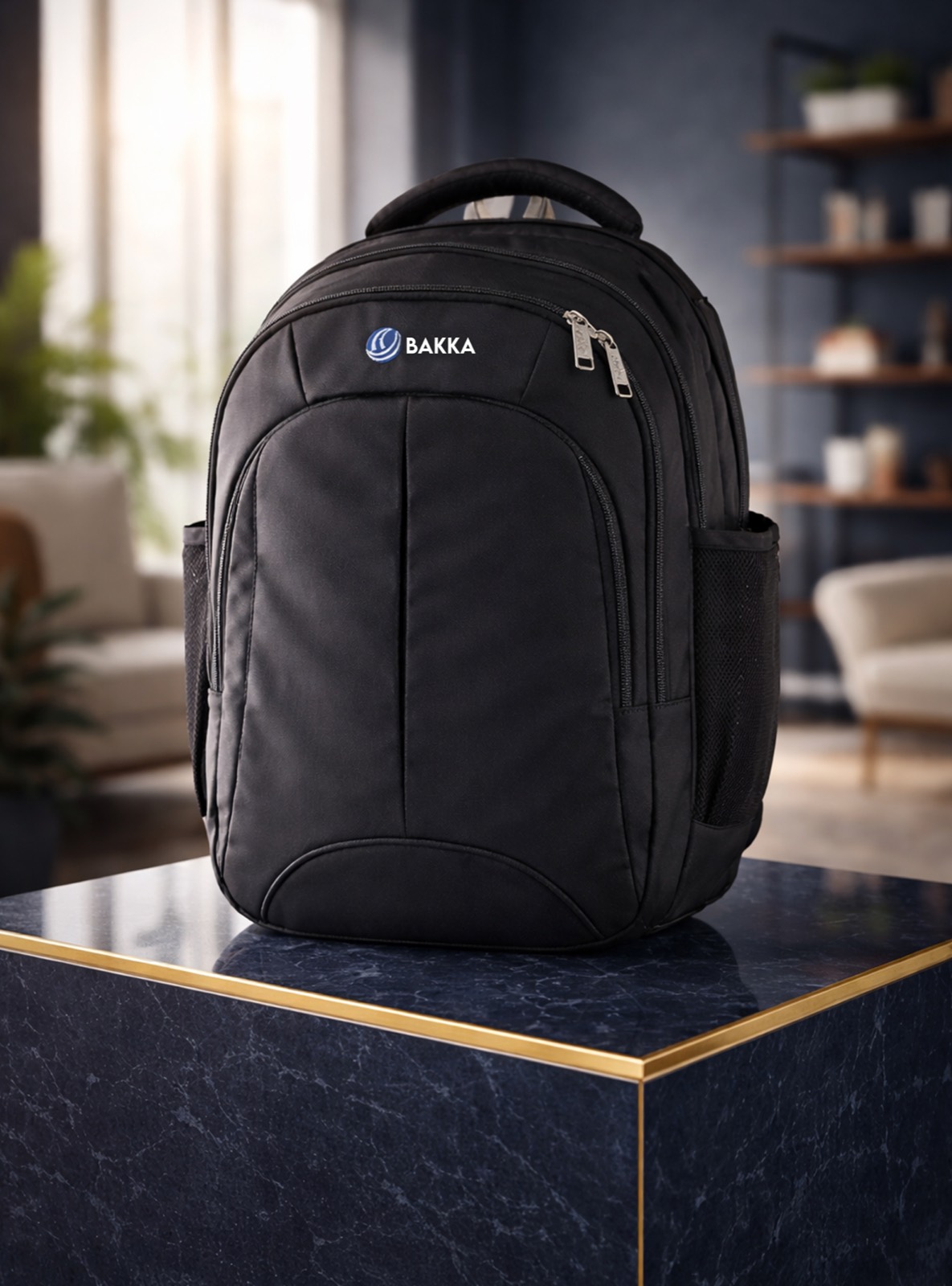
Upright Tube Rack Transport
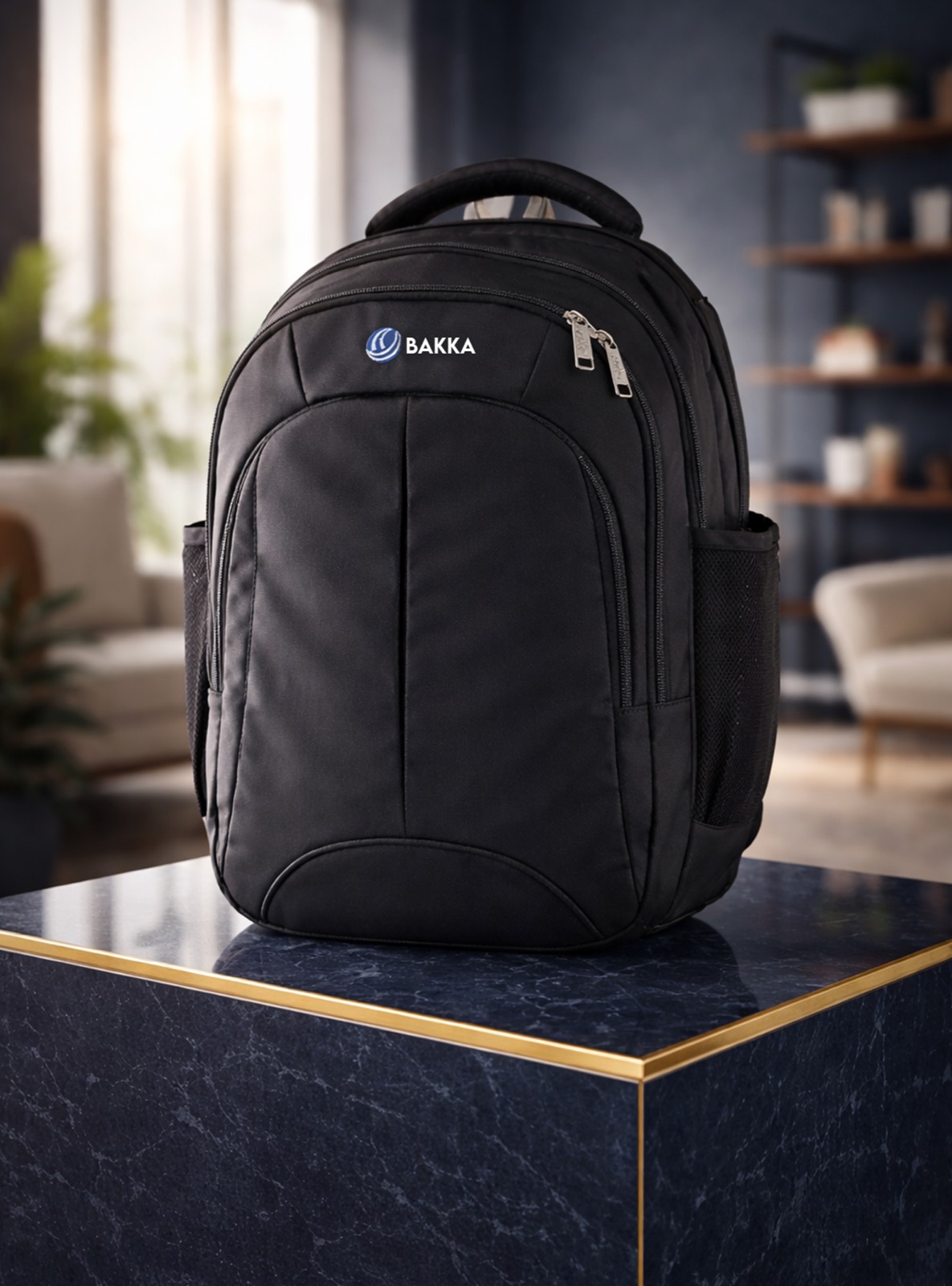
Cold-Chain Insulated Compartment
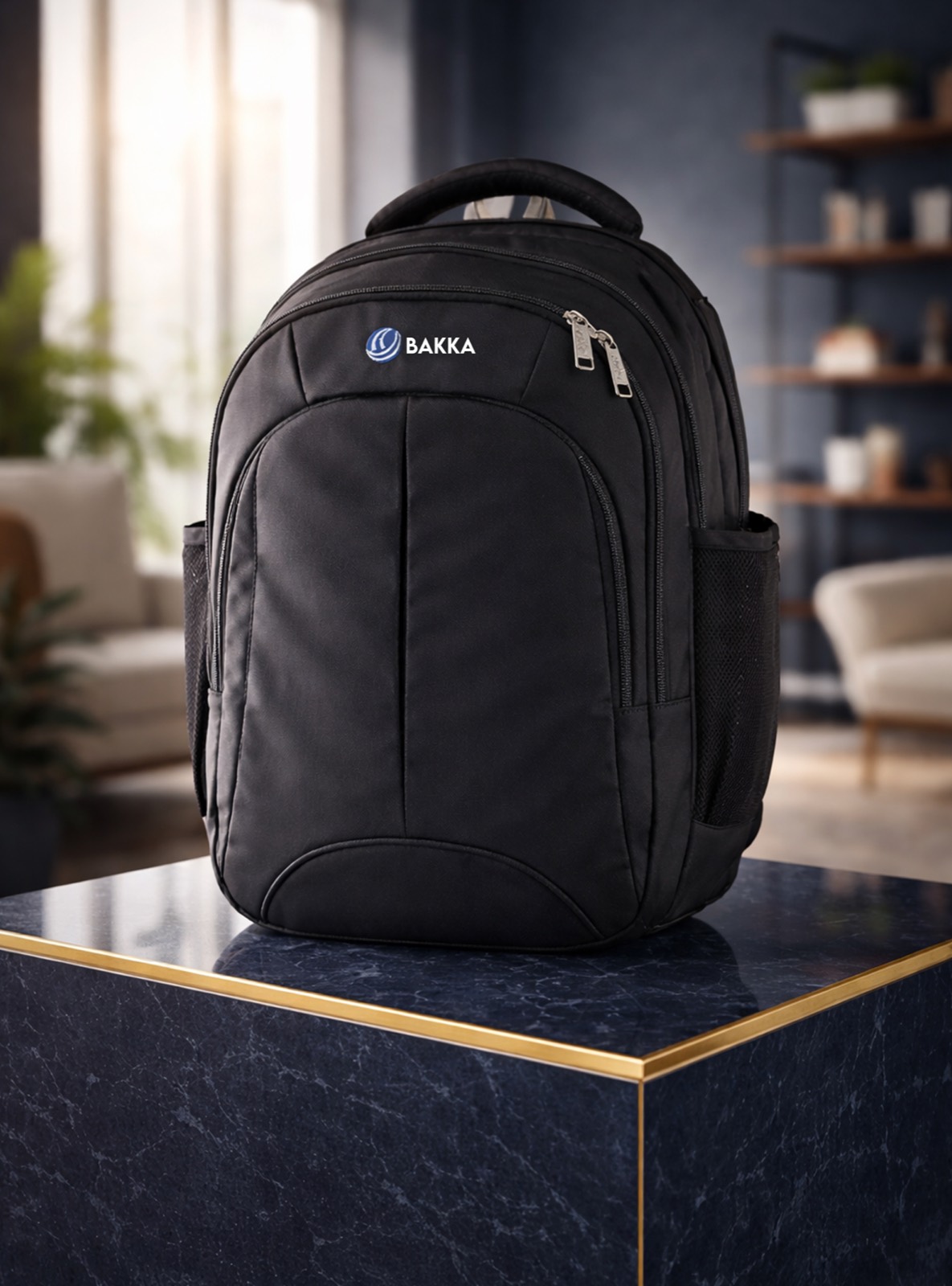
Leak-Containing Welded Liner
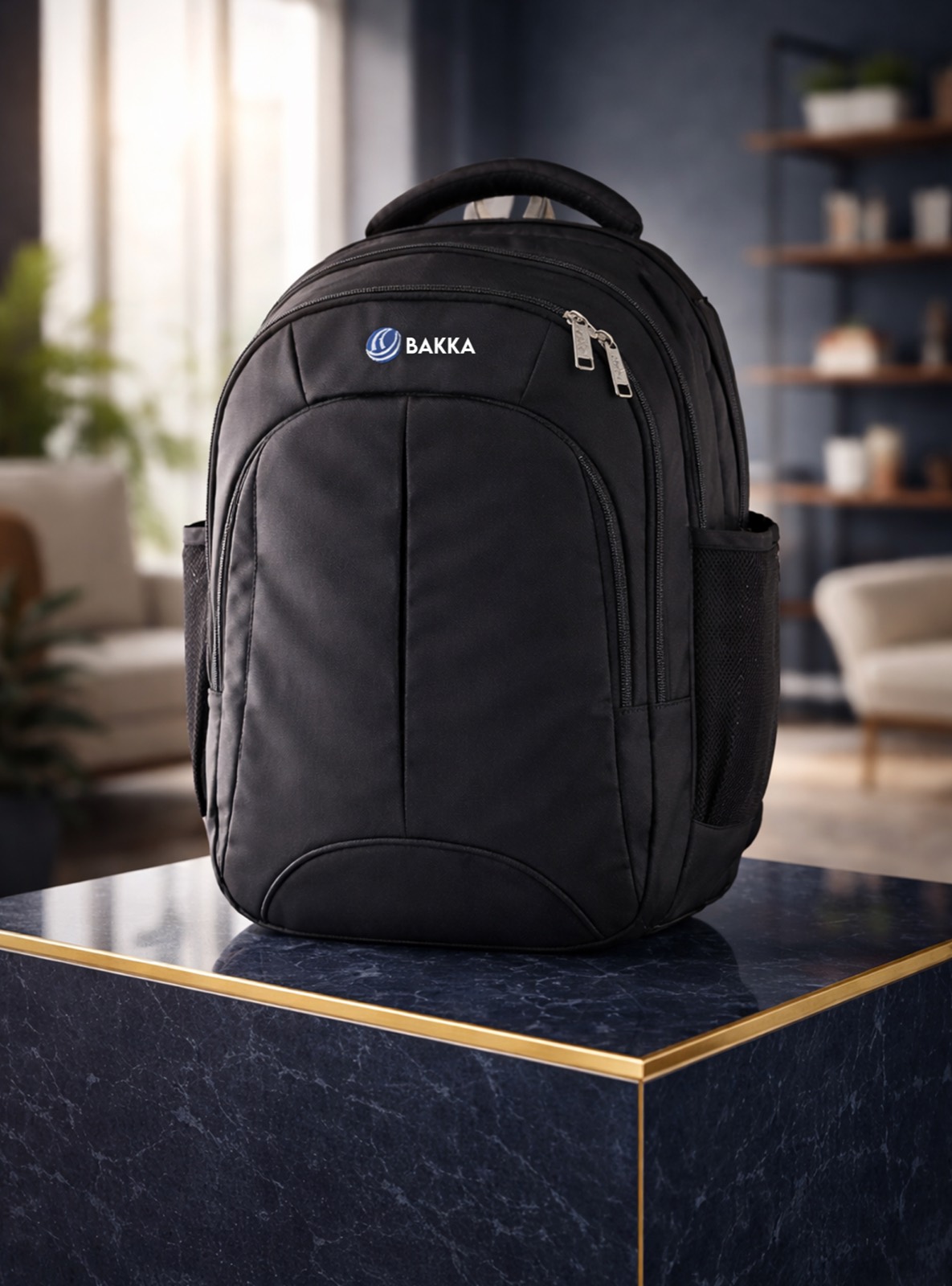
Disinfectant-Tolerant Wipe-Clean Interior
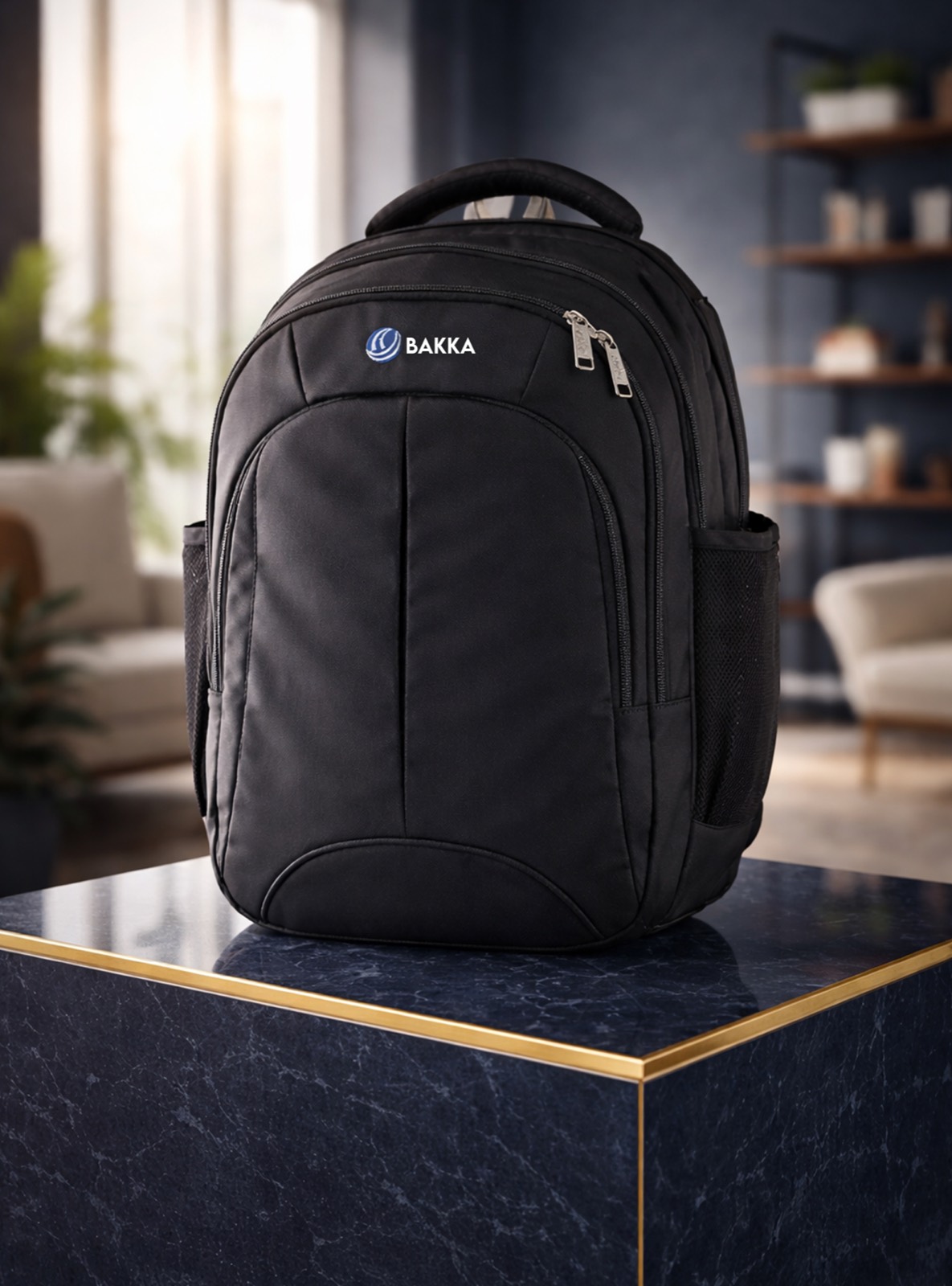
Clean & Returned Separation
Secure Sharps Housing
Built for a Full Collection Round
Built to Your Protocol, Not Our Catalogue
Industries That Order Sample Collection Bags from BAKKA Bags
- PURPOSE / USE CASE
Home-collection fleet bags for phlebotomists, collection-centre bags, inter-facility specimen transport - WHEN THEY ORDER
Year-round on rolling replenishment, with peaks at network expansion and new-city launches
- PURPOSE / USE CASE
Ward and campus collection rounds, inter-departmental specimen movement, emergency collection kits - WHEN THEY ORDER
Against procurement and fiscal cycles, typically October–March
- PURPOSE / USE CASE
Branded phlebotomist bags for at-home collection fleets, staff onboarding kits - WHEN THEY ORDER
Year-round, with peaks at fleet expansion and city launches
- PURPOSE / USE CASE
Vaccine carriers, field collection bags for health camps, community health worker kits - WHEN THEY ORDER
Against programme and grant cycles, and ahead of campaign and camp calendars
- PURPOSE / USE CASE
Field collection bags for veterinary practitioners and livestock health programmes - WHEN THEY ORDER
Against programme cycles and practice expansion
Manufacturing Process of Sample Collection Bags at BAKKA Bags
Quality Checks for Sample Collection Bags at BAKKA Bags
Why Diagnostic Chains, Hospitals & Home-Collection Networks Choose BAKKA Bags for Sample Collection Bags
We do not sell a catalogue phlebotomy bag. We start from your tube counts, temperature range, transport duration, marking requirements, and closure standard, produce a written specification, and get your sign-off before cutting material. Then we build a conformance sample for approval before bulk production.
A stitched liner has a needle hole every few millimetres, and a broken vacutainer finds all of them. We heat-weld the containment liner as a continuous unbroken barrier on every variant where containment is specified, and we pressure-check those welds on every batch. This is the cost line most likely to be quietly removed on a competitive quote, so it is worth asking about explicitly.
Specimens travelling horizontally risk haemolysis and rejection. We fabricate the upright rack to your tube diameter and count first, then build the bag around it — and we vibration-test loaded racks to confirm nothing tilts en route.
Insulation is specified to your stated temperature range and transport time, then tested with a probe across exactly that duration. We will not quote a blanket “keeps cold for X hours” number, because the honest answer depends on your route, ambient conditions, and gel-pack array.
These bags are cleaned down after every round. We select liner materials for disinfectant tolerance and test them against the agents your protocol names, because an interior that cracks or goes tacky after three months becomes a contamination risk itself.
We run a 3-stage quality check across material incoming, in-process, and pre-shipment, provide a pre-dispatch quality report with photographs for orders above 1,000 units, and retain a conformance sample against your specification. For multi-city collection networks we carton-mark by centre and dispatch in phases.
Reviews & Testimonials for BAKKA Sample Collection Bags
Our customers just love us
Akhilesh
Developer

It is a long established fact that a reader will be distracted by the readable content of a page when looking at its layout. The point of using Lorem Ipsum is that it has a more-or-less normal distribution of letters, as opposed to using 'Content here, content here', making it look like readable English.
Mantu
Developer
It is a long established fact that a reader will be distracted by the readable content of a page when looking at its layout. The point of using Lorem Ipsum is that it has a more-or-less normal distribution of letters, as opposed to using 'Content here, content here', making it look like readable English.
Sofiya
HR
It is a long established fact that a reader will be distracted by the readable content of a page when looking at its layout. The point of using Lorem Ipsum is that it has a more-or-less normal distribution of letters, as opposed to using 'Content here, content here', making it look like readable English.
Rakeeba
Manager
It is a long established fact that a reader will be distracted by the readable content of a page when looking at its layout. The point of using Lorem Ipsum is that it has a more-or-less normal distribution of letters, as opposed to using 'Content here, content here', making it look like readable English.
Aftab
Developer
It is a long established fact that a reader will be distracted by the readable content of a page when looking at its layout. The point of using Lorem Ipsum is that it has a more-or-less normal distribution of letters, as opposed to using 'Content here, content here', making it look like readable English.
Akhilesh
Developer
It is a long established fact that a reader will be distracted by the readable content of a page when looking at its layout. The point of using Lorem Ipsum is that it has a more-or-less normal distribution of letters, as opposed to using 'Content here, content here', making it look like readable English.
Mantu
Developer
It is a long established fact that a reader will be distracted by the readable content of a page when looking at its layout. The point of using Lorem Ipsum is that it has a more-or-less normal distribution of letters, as opposed to using 'Content here, content here', making it look like readable English.
Sofiya
HR
It is a long established fact that a reader will be distracted by the readable content of a page when looking at its layout. The point of using Lorem Ipsum is that it has a more-or-less normal distribution of letters, as opposed to using 'Content here, content here', making it look like readable English.
Rakeeba
Manager
It is a long established fact that a reader will be distracted by the readable content of a page when looking at its layout. The point of using Lorem Ipsum is that it has a more-or-less normal distribution of letters, as opposed to using 'Content here, content here', making it look like readable English.
Sofiya
HR
It is a long established fact that a reader will be distracted by the readable content of a page when looking at its layout. The point of using Lorem Ipsum is that it has a more-or-less normal distribution of letters, as opposed to using 'Content here, content here', making it look like readable English.
Rakeeba
Manager
It is a long established fact that a reader will be distracted by the readable content of a page when looking at its layout. The point of using Lorem Ipsum is that it has a more-or-less normal distribution of letters, as opposed to using 'Content here, content here', making it look like readable English.
Aftab
Developer
It is a long established fact that a reader will be distracted by the readable content of a page when looking at its layout. The point of using Lorem Ipsum is that it has a more-or-less normal distribution of letters, as opposed to using 'Content here, content here', making it look like readable English.
Akhilesh
Developer
It is a long established fact that a reader will be distracted by the readable content of a page when looking at its layout. The point of using Lorem Ipsum is that it has a more-or-less normal distribution of letters, as opposed to using 'Content here, content here', making it look like readable English.
Mantu
Developer
It is a long established fact that a reader will be distracted by the readable content of a page when looking at its layout. The point of using Lorem Ipsum is that it has a more-or-less normal distribution of letters, as opposed to using 'Content here, content here', making it look like readable English.
Customizations
- Screen printing on the front and side panels — up to 6 colour passes
- Embroidery on the front panel or strap
- Reflective print for early-morning and night collection rounds
- Biohazard and handling marking panels to your required standard
- Woven label on the strap and zip tag
- Staff ID and collection centre code panels
- Custom-printed interior lining
- Pantone-matched outer body colour to your lab livery
- Colour coding across a set — routine, urgent, cold-chain, and biohazard
- Contrast colour for straps, base, and marking panels
- High-visibility colourways for field and camp use
- Accent colour on zippers and pulls
- 600D or 900D polyester with a wipe-clean lining
- Nylon with TPU lamination for sealed, disinfectant-tolerant interiors
- Coated tarpaulin, heat-welded, for fully sealed containment variants
- PEVA and medical-grade PU liner options
- EPE foam and aluminium-foil insulation layers
- Antimicrobial-treated lining options
- Non-absorbent, chemical-tolerant base materials
- Single-visit home collection configuration
- High-volume round configuration (multiple patients per trip)
- Tube rack capacity built to your specified tube count and diameter
- Cold-chain capacity sized around your gel-pack or cold-box array
- Inter-facility batch transport capacity
- Camp and screening drive capacity
- Custom dimensions built entirely to your protocol
- YKK or equivalent zippers, sealed and lockable on containment variants
- Fixed or removable upright tube racks
- Sharps container housing with a secure retention strap
- Padded ventilated shoulder harness with a sternum strap
- Tamper-evident closure options
- Reinforced grab handles and base skid studs
FAQs
Yes, and it is how nearly every order in this category runs. Share your tube counts and diameters, temperature range, transport duration, marking requirements, and closure standard, and we will produce a written specification for sign-off, then a conformance sample for approval before bulk production begins.
On containment variants, the inner liner is heat-welded as a continuous barrier with no stitch penetration, and we pressure-check the welds and pour-test the closed bag on every batch. Standard stitched-and-taped interiors resist spills but do not fully contain them, so specify the welded construction if containment is a requirement rather than a preference.
That depends on your temperature range, ambient conditions, transport duration, and gel-pack array. We specify insulation to your stated protocol and test retention with a probe across exactly that duration, rather than quoting a single figure for every variant. Share your route profile at the enquiry stage.
We manufacture to supplied technical specifications, including marking, closure, and containment requirements, and we retain conformance samples. Share the standard your lab or accreditation body requires at the enquiry stage so we can confirm in writing what we can and cannot build to before you commit to an order.
Standard MOQ is 100 pieces per design and colour. Because this category is protocol-built, we also take smaller pilot batches for field trial before a full fleet rollout — ask us about this if you want staff feedback before committing.
You May Also Need